
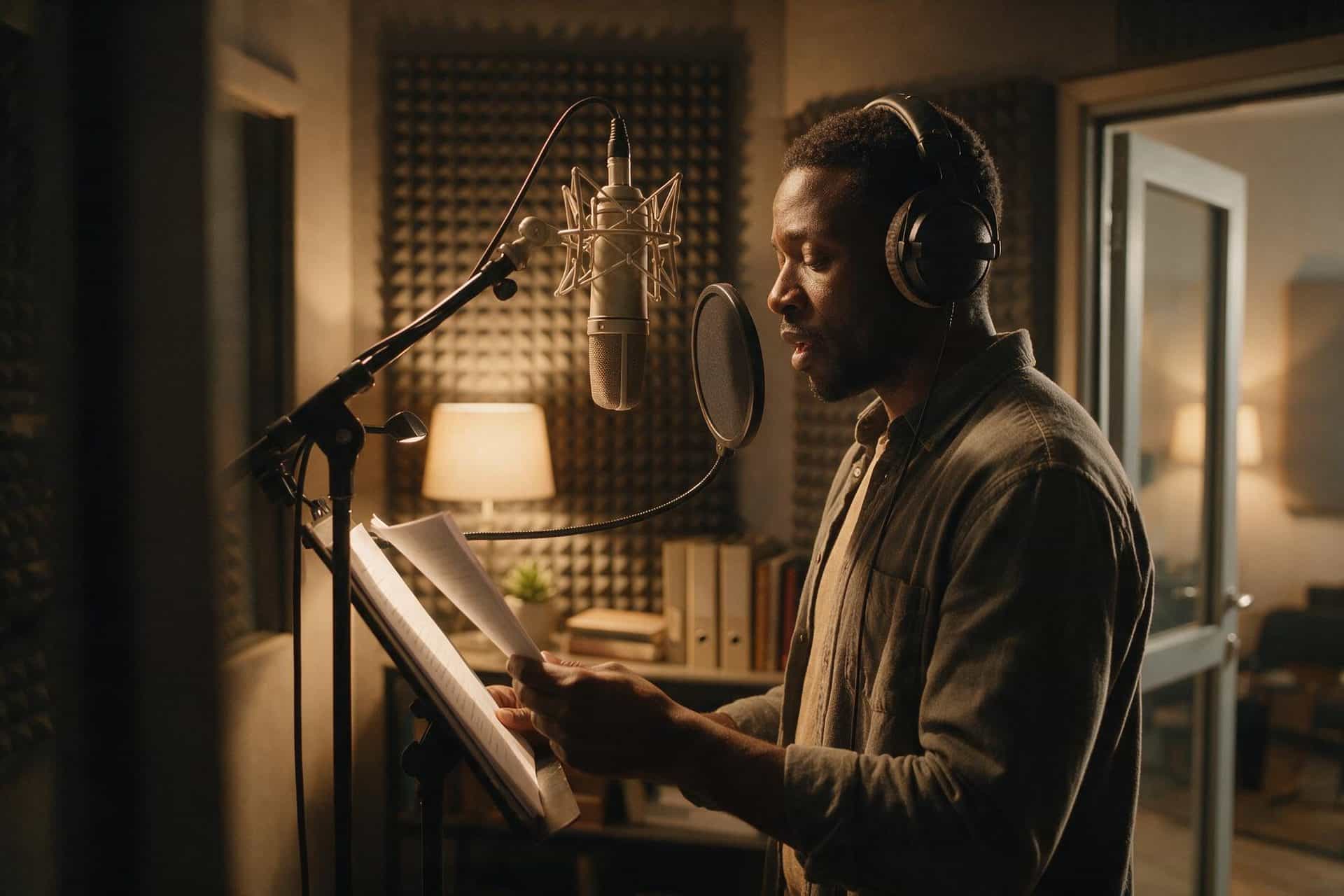
Voice Over · Swahili
Swahili voice over services
Native Swahili voice actors for corporate video, eLearning, advertising and more. One of the few languages where a single standard read genuinely travels across borders.
5
Countries, official or working language
1
Standard that travels
48h
Delivery
Are you a Swahili voice actor?
We're always adding new voices to our roster. Send us your demos and we'll consider you for upcoming Swahili projects.
About the language
The rare case where one recording really does cover several countries
Swahili is the lingua franca of East Africa — official or a working language in Tanzania, Kenya, Uganda, Rwanda and the DR Congo, and a working language of the African Union and the East African Community. It is a Bantu language with a substantial layer of Arabic loanwords, from centuries of Indian Ocean trade; even the name comes from the Arabic for «coasts».
Most pages on this site tell you that a neutral accent is a fiction and you should cast for a specific market. Swahili is the honest exception, and the reason is that it is overwhelmingly a second language. Most people who speak it learned it after their mother tongue, as the language they use to talk to people from other groups. A language that exists to bridge communities converges on a common standard, because that is the job it does.
So standard Swahili — «Kiswahili sanifu», based on the Unguja speech of Zanzibar — genuinely works from Kampala to Dar es Salaam. For most corporate, NGO, public-health and eLearning content, one recording covers the region, which is unusual enough to be worth planning around.
There is one decision still worth making: Tanzania or Kenya. Tanzanian Swahili is treated as the reference standard and is the safer choice for institutional, educational and cross-border content. Kenyan Swahili carries far more English, and in Nairobi it shares space with «Sheng», an urban mixed slang. For young, urban advertising aimed at Nairobi, a Kenyan read sounds local where a Tanzanian one can sound like an imported announcer.
Typical work is NGO and development communications, public-health campaigns, eLearning and agricultural extension content, corporate video, financial-inclusion and mobile-money material, plus documentary narration and broadcast content across East Africa.
The honest quote starts with an honest look at the script. We will look it over at no cost and point out anything that would cost you more later than it does now. You also get free auditions from the Swahili shortlist, recorded on your copy rather than pulled from a library. Ask us for a Swahili quote, or tell us what you have and we will tell you what is missing.
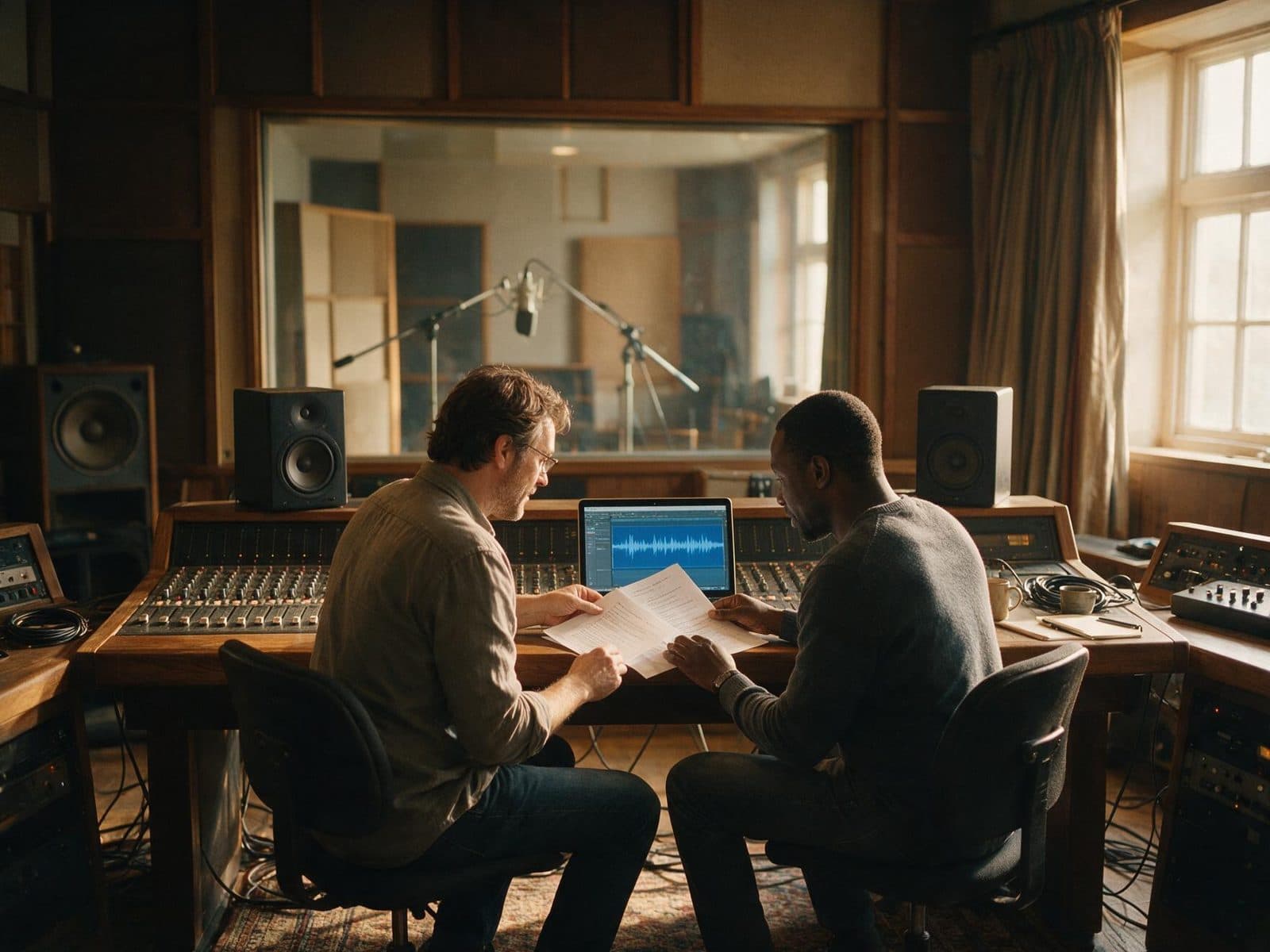
Getting Swahili right
What to decide before recording
Fewer decisions than most languages, but the ones that remain are worth getting right.
One standard covers the region
Because Swahili is mostly spoken as a second language, standard Swahili travels in a way that a 'neutral' accent does not in most languages. For regional content, budget for one recording rather than several.
Tanzania for institutional, Kenya for urban
Tanzanian Swahili is the reference standard and suits NGO, government and educational work. Kenyan Swahili carries more English and suits advertising aimed at Nairobi. Tell us the audience and we cast accordingly.
Uganda is not covered the way you'd think
Swahili is official in Uganda, but it is not what reaches Kampala day to day. If Uganda is a priority market, read our Luganda page before you settle the language list.
Script length runs long
Swahili's agglutinative structure and noun-class agreement make it expand against English, often noticeably. Build the timing headroom in at the storyboard stage rather than compressing the read later.
How we can help
One partner for the whole Swahili job
Voice over & narration
Native Swahili for corporate video, eLearning, NGO and public-health content, advertising and IVR, directed for tone and market.
Translation & script adaptation
Swahili translation by native linguists, with the timing expansion accounted for rather than discovered in the booth.
Subtitling & captions
Swahili subtitles and captions to go with the recording, so the on-screen text matches the read.
100+ languages under one roof
London studios + global talent network
5.0★ from 149 reviews
Content types
Swahili voice over for every kind of content
Whatever you're making, we cast the right voice in Swahili. Explore by use case.
Most common questions
Can one Swahili recording cover several countries?
Usually, yes — and that is genuinely unusual. Swahili is spoken mainly as a second language, so it has converged on a common standard in a way most languages have not. For corporate, NGO, public-health and eLearning content, standard Swahili works from Kampala to Dar es Salaam and one recording is normally enough.
Should we use Tanzanian or Kenyan Swahili?
Tanzanian Swahili is treated as the reference standard and is the safer choice for institutional, educational and cross-border content. Kenyan Swahili carries considerably more English and suits advertising aimed at urban Kenya, where a Tanzanian read can sound like an imported announcer. Tell us the market and the tone you want and we cast for it.
Does Swahili cover Uganda?
Only partly, and this catches people out. Swahili has official status in Uganda, but it is not the language of daily life in Kampala and central Uganda, where Luganda is what people actually use. If Uganda is a priority rather than an afterthought, we would usually recommend adding a Luganda recording rather than relying on Swahili alone.
Will our English timings still work in Swahili?
Expect the Swahili to run longer. The language builds words with prefixes and suffixes and carries noun-class agreement through the sentence, so the same content takes more syllables than English. We flag the expansion when we translate, and we can either adapt the copy or advise on where the edit has room.
Do you record in Sheng?
No. Sheng is an urban mixed slang from Nairobi rather than a standard variety, it shifts quickly, and we would not be able to guarantee a consistent read across a project. What we can do is cast a Kenyan voice and direct for a young, urban register, which is usually what the brief is really after.
Can you translate our script into Swahili?
Yes, with native Swahili linguists. We will ask which market you are aiming at, because Kenyan and Tanzanian usage differ in how much English vocabulary is normal, and a translation pitched for one can read as careless in the other.
What do you use Swahili voice over for?
NGO and development communications, public-health campaigns, eLearning and agricultural extension content, corporate video and internal communications, financial-inclusion and mobile-money material, advertising for East African markets, documentary narration and broadcast content.
How quickly can we have the files?
Most short Swahili projects are delivered within 24 to 48 hours; longer or multi-voice work is scheduled with your dedicated project manager, who confirms a firm date up front. The time difference is handled at our end.
How are the finished files delivered?
We follow your delivery document for the Swahili files rather than imposing a house format: WAV or MP3, stems if you ask, at the sample rate, bit depth and loudness it specifies.
What do you need from us to quote Swahili voice over?
Less than people expect: the script, or the draft of it, its total running time or word count, where the recording will be used, and the date you need it by. If the script is not signed off yet, send the draft anyway — we would rather quote on what exists than wait for a version that eats your deadline. A named project manager comes back with an itemised quote, normally within four working hours.
How quickly will we hear back, and who will we be dealing with?
More than half of enquiries get a reply within thirty minutes during office hours (Monday to Friday, 9am to 6pm UK time), and the itemised quote normally follows within four working hours. After that you have one dedicated project manager who owns the job from brief to final file — not a ticket queue, and not a different name on every email. If it is easier, call +44 207 095 5730 and ask for them by name.
We are still pitching and the budget is not signed off. Can we still get a Swahili quote?
Yes, and it is one of the commonest reasons people get in touch. Tell us it is for a pitch and you get a figure you can put in front of your own client, itemised so it stands up to being picked apart, with no obligation and no follow-up sales calls if the pitch goes elsewhere. If it lands, the quote still holds and we already know the project.
Brands that trusted us with their voice
Casting, direction and recording for campaigns that ran in several markets at once.
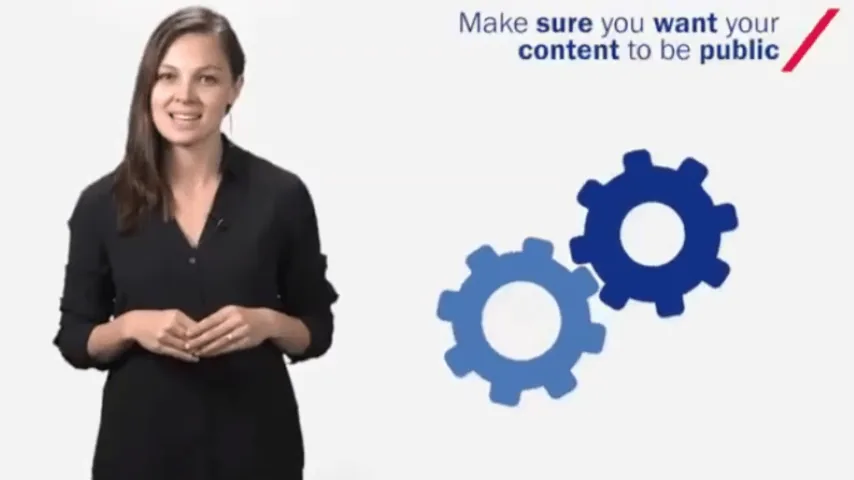
Voice Over · Flemish
AXA — Redefining Standards
Multilingual mastery for instructional videos: a Flemish voiceover journey.
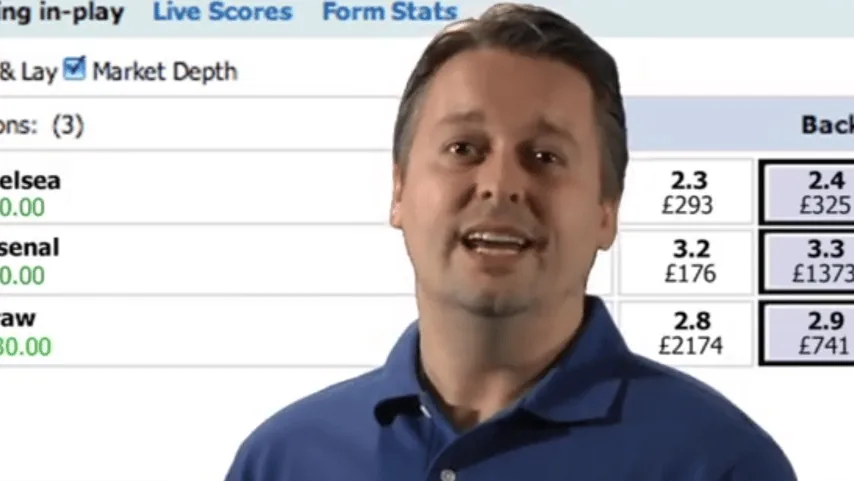
Voice Over · Czech
Betfair
Crafting authenticity in localisation: a Czech voiceover production.
Voice Over · Cantonese
BlackBerry Worldwide
Multilingual voiceover project for BlackBerry's innovative campaign.
Complete your Africa coverage
Services that pair with Swahili
Luganda voice over
What actually reaches Kampala and central Uganda.
West African English
Native English for Nigeria, Ghana and the region.
Translation services
Swahili translation and adaptation by native linguists.
Swahili subtitling
Tanzania swaps English loanwords for longer Swahili ones.
Swahili transcription
The same six letters, Swahili or English.
Swahili translation
Times converted to the Swahili clock, not copied across.
From £400
/ €500 / $550
per hour in the recording studio
That hourly rate is the Basic Studio Fee: the recording session itself, with the voice actor, the casting, the direction, the studio and the engineer included. Any buyout — the usage fee — is added on top and quoted separately: it depends on the markets the recording runs in, the media it runs on and how long you licence it for. Every line is itemised, and all of it carries our Price Match Promise.
One Swahili read, across East Africa
Tell us the markets you need and we'll advise on how many recordings it actually takes — with a free, no-obligation quote.
The complete solution to localise your content
Voice over

- State-of-the-art studios
- Neumann microphones
- On-hand sound engineers
- 1,000+ voice actors
Translation

- 100+ languages covered
- Tailored to your needs
- Stringent quality control
- Dedicated project managers
Subtitling

- Experienced subtitlers
- Industry-standard software
- Burn-in and graphic editing
- Open and closed captions
Transcription

- Improve accessibility
- Reach a wider audience
- Boost SEO and video views
- Maximise video engagement