
Voice Over · Hausa
Hausa voice over services
Native Hausa voice actors for broadcast, NGO, public-information and corporate content. A language whose audience has been listening to international radio for decades — and knows what good sounds like.
3 of 3
Voices based in London
5+
Countries where it's spoken
48h
Delivery
Calling Hausa voice talent
We're expanding our Hausa roster
Hausa is a language we're actively growing. If you're a Hausa voice actor, we'd love to hear your demos and put you forward for paid work.
About the language
An audience raised on international radio
Hausa is a Chadic language, part of the Afroasiatic family, and the majority language of northern Nigeria and Niger, with substantial communities in Ghana, Cameroon and Chad. It has long served as the trade language of West Africa, so a large share of its speakers use it as a second language.
What makes it unusual to record for is something else: Hausa has been a language of international broadcasting for decades. The BBC, VOA, Deutsche Welle and RFI have all run Hausa services with very large audiences, and they have been running them a long time.
That has a consequence worth planning around. There is an established delivery standard and an audience thoroughly used to it. When someone hears a Hausa voice over, they compare it — without meaning to — against the news bulletin they listen to every morning. The bar for diction, pace and authority is set from outside, not by the brand.
Which cuts both ways, and both are useful. A flat or under-directed read stands out more here than in a language with no reference point. But there is also a recognised register that already works, so nobody has to invent one: we direct to it.
One thing to settle if your project has text. Hausa is written officially in the Latin script (boko), but it retains a living tradition in ajami, an Arabic-based script still used in religious and traditional contexts. Confirm which your audience reads before subtitles or on-screen text are built. Typical work is broadcast and radio, NGO and development communications, public-health campaigns, agricultural and financial-inclusion content, civic information and corporate material for organisations operating in the region.
Most projects are won or lost at script stage, not in the studio. We look at it for nothing, tell you what needs settling before recording, and price the job with everything broken out. A free casting comes with it: two or three Hausa voices, your words, and no strings attached to the result. Request a free Hausa casting, or set out the requirement and we will tell you what is realistic.
Getting Hausa right
Worth settling before the session
The audience already has a reference for what Hausa should sound like. Plan for that.
You are being compared to the news
Decades of BBC, VOA and DW Hausa broadcasting have set the delivery standard. Direction and pace matter more here than in a language with no established benchmark.
Boko or ajami for anything written
Latin script is official and covers most modern content, but the Arabic-based ajami is still read in religious and traditional contexts. Confirm which before designing subtitles or on-screen text.
Recorded in London
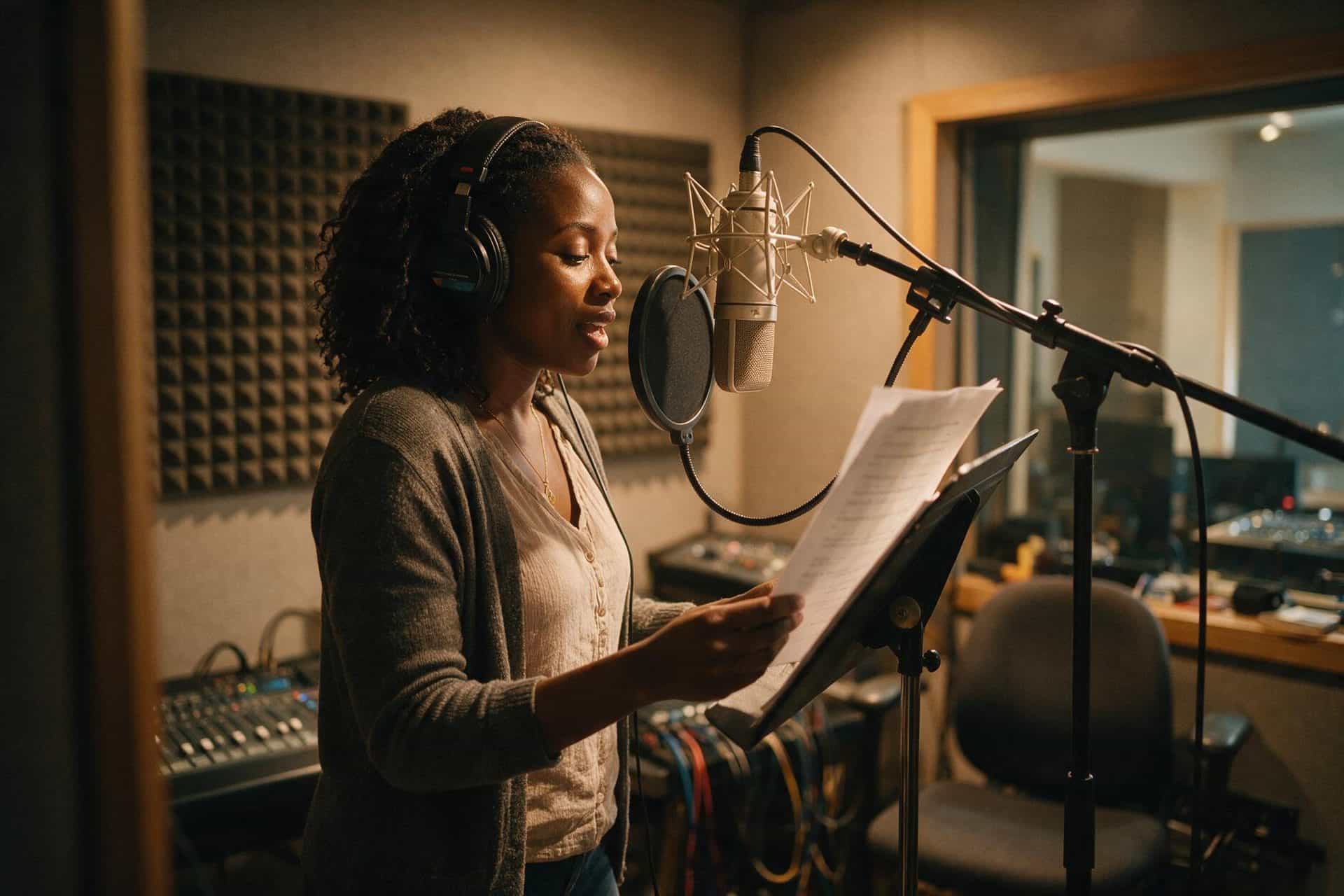
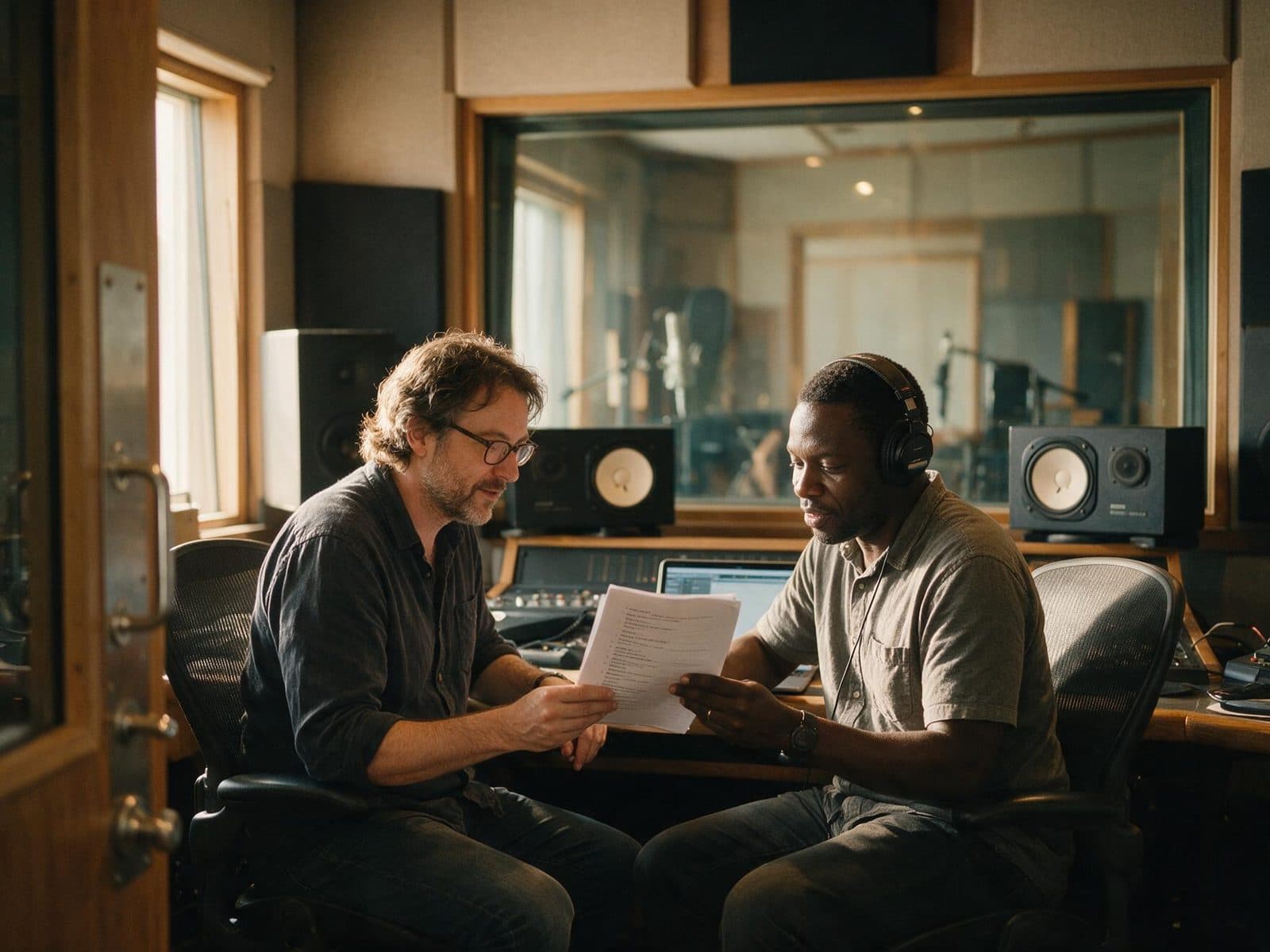
All three of our Hausa voices are London-based, so sessions run in our own studios on European hours and you can attend in person if being in the room matters.
A second language for many speakers
Hausa serves as a regional trade language well beyond its native area, so standard Hausa carries across northern Nigeria, Niger and the border regions without needing separate versions.
How we can help
One partner for the whole West Africa job
Voice over & narration
Native Hausa for broadcast, NGO and public-information content, eLearning and corporate video, directed to the register the audience expects.
Translation & script adaptation
Hausa translation by native linguists, written for the ear and with terminology settled up front for public-health work.
Subtitling & captions
Hausa subtitles in Latin script as standard, or ajami where your audience calls for it.
100+ languages under one roof
London studios + global talent network
5.0★ from 149 reviews
Content types
Hausa voice over for every kind of content
Whatever you're making, we cast the right voice in Hausa. Explore by use case.
Most common questions
Do you have male Hausa voices?
Not at the moment — our current Hausa roster is entirely female, and we would rather tell you that than let you find out at shortlist stage. If your project needs a male read, say so when you brief us and we will go to our wider network and come back to you honestly about what we can arrange and in what timeframe.
Why does delivery matter so much in Hausa?
Because the audience has a reference. Hausa has been a language of international radio for decades — BBC, VOA, Deutsche Welle and RFI have all run long-standing services with very large audiences — so listeners unconsciously compare any Hausa recording against a broadcast standard they hear daily. A rushed or flat read is noticed more than it would be in a language with no such benchmark.
Should our subtitles use Latin script or ajami?
Latin script — boko — is the official orthography and the right default for modern, institutional and commercial content. Ajami, which is Arabic-based, remains in use in religious and traditional contexts. If your content sits in one of those, tell us and we will deliver accordingly. Worth confirming rather than assuming, since it changes the whole text side of the job.
Does one Hausa recording cover Nigeria and Niger?
Usually, yes. Hausa functions as a regional trade language and standard Hausa carries across northern Nigeria, Niger and the border areas, so most projects need one version rather than several. If your content is tied to a specific programme or locality, tell us and we will take it into account when we shortlist.
Can we attend the Hausa session?
Yes. All three of our Hausa voice actors are London-based, so sessions run in our Central London studios and you are welcome in the control room. If you would rather not travel, you can direct live over Source-Connect, Zoom or Teams instead.
Can you translate our script into Hausa?
Yes, with native Hausa linguists, and we write it to be heard rather than read. For public-health and agricultural content we would also suggest agreeing terminology before recording, since consistency across a campaign matters more than in one-off commercial work.
Can an English or Arabic speaker cover Hausa?
No. Hausa is a Chadic language within the Afroasiatic family — the same broad family as Arabic but a separate branch — with its own sound system, including sounds Arabic does not have. We cast native Hausa speakers, and for wider West African reach we can pair it with our West African English roster.
What do you use Hausa voice over for?
Broadcast and radio content, NGO and development communications, public-health campaigns, agricultural extension and financial-inclusion material, civic and government information, eLearning, and corporate video for organisations operating in northern Nigeria and Niger.
What audio specification will we receive?
Delivered as the destination requires — WAV, MP3 or stems — at the loudness your broadcaster has specified.
What do you need from us to quote Hausa voice over?
Less than people expect: the script, or the draft of it, its total running time or word count, where the recording will be used, and the date you need it by. If the script is not signed off yet, send the draft anyway — we would rather quote on what exists than wait for a version that eats your deadline. A named project manager comes back with an itemised quote, normally within four working hours.
How quickly will we hear back, and who will we be dealing with?
More than half of enquiries get a reply within thirty minutes during office hours (Monday to Friday, 9am to 6pm UK time), and the itemised quote normally follows within four working hours. After that you have one dedicated project manager who owns the job from brief to final file — not a ticket queue, and not a different name on every email. If it is easier, call +44 207 095 5730 and ask for them by name.
We are still pitching and the budget is not signed off. Can we still get a Hausa quote?
Yes, and it is one of the commonest reasons people get in touch. Tell us it is for a pitch and you get a figure you can put in front of your own client, itemised so it stands up to being picked apart, with no obligation and no follow-up sales calls if the pitch goes elsewhere. If it lands, the quote still holds and we already know the project.
Brands that trusted us with their voice
Casting, direction and recording for campaigns that ran in several markets at once.
Voice Over · Flemish
AXA — Redefining Standards
Multilingual mastery for instructional videos: a Flemish voiceover journey.
Voice Over · Czech
Betfair
Crafting authenticity in localisation: a Czech voiceover production.
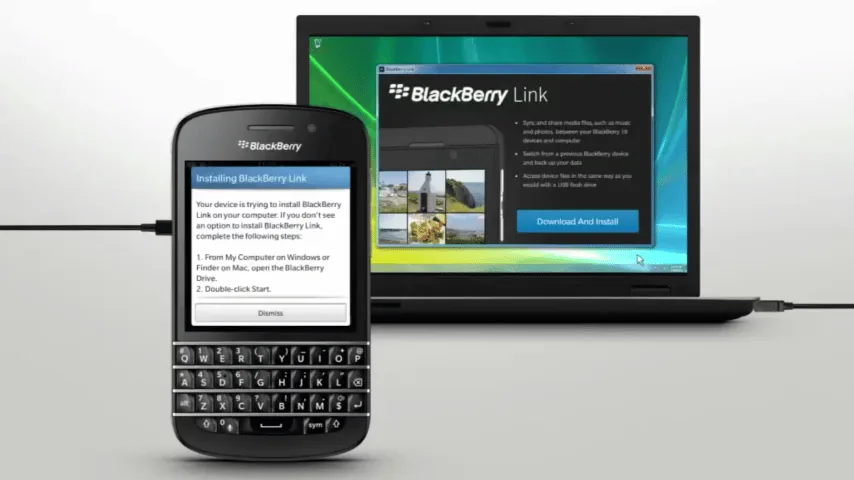
Voice Over · Cantonese
BlackBerry Worldwide
Multilingual voiceover project for BlackBerry's innovative campaign.
Complete your West Africa coverage
Services that pair with Hausa
West African English
Nigeria, Ghana and the region, in English.
Swahili voice over
The equivalent reach on the other side of the continent.
Translation services
Hausa translation written to be listened to.
Hausa transcription
Tone and vowel length are not written. Daga is both "from" and "battle".
From £400
/ €500 / $550
per hour in the recording studio
That hourly rate is the Basic Studio Fee: the recording session itself, with the voice actor, the casting, the direction, the studio and the engineer included. Any buyout — the usage fee — is added on top and quoted separately: it depends on the markets the recording runs in, the media it runs on and how long you licence it for. Every line is itemised, and all of it carries our Price Match Promise.
Hausa that stands next to the broadcast standard
Tell us about your project and we'll cast and direct to the register the audience expects — with a free, no-obligation quote.
The complete solution to localise your content
Voice over

- State-of-the-art studios
- Neumann microphones
- On-hand sound engineers
- 1,000+ voice actors
Translation

- 100+ languages covered
- Tailored to your needs
- Stringent quality control
- Dedicated project managers
Subtitling

- Experienced subtitlers
- Industry-standard software
- Burn-in and graphic editing
- Open and closed captions
Transcription

- Improve accessibility
- Reach a wider audience
- Boost SEO and video views
- Maximise video engagement