
Voice Over · Turkish
Turkish voice over services
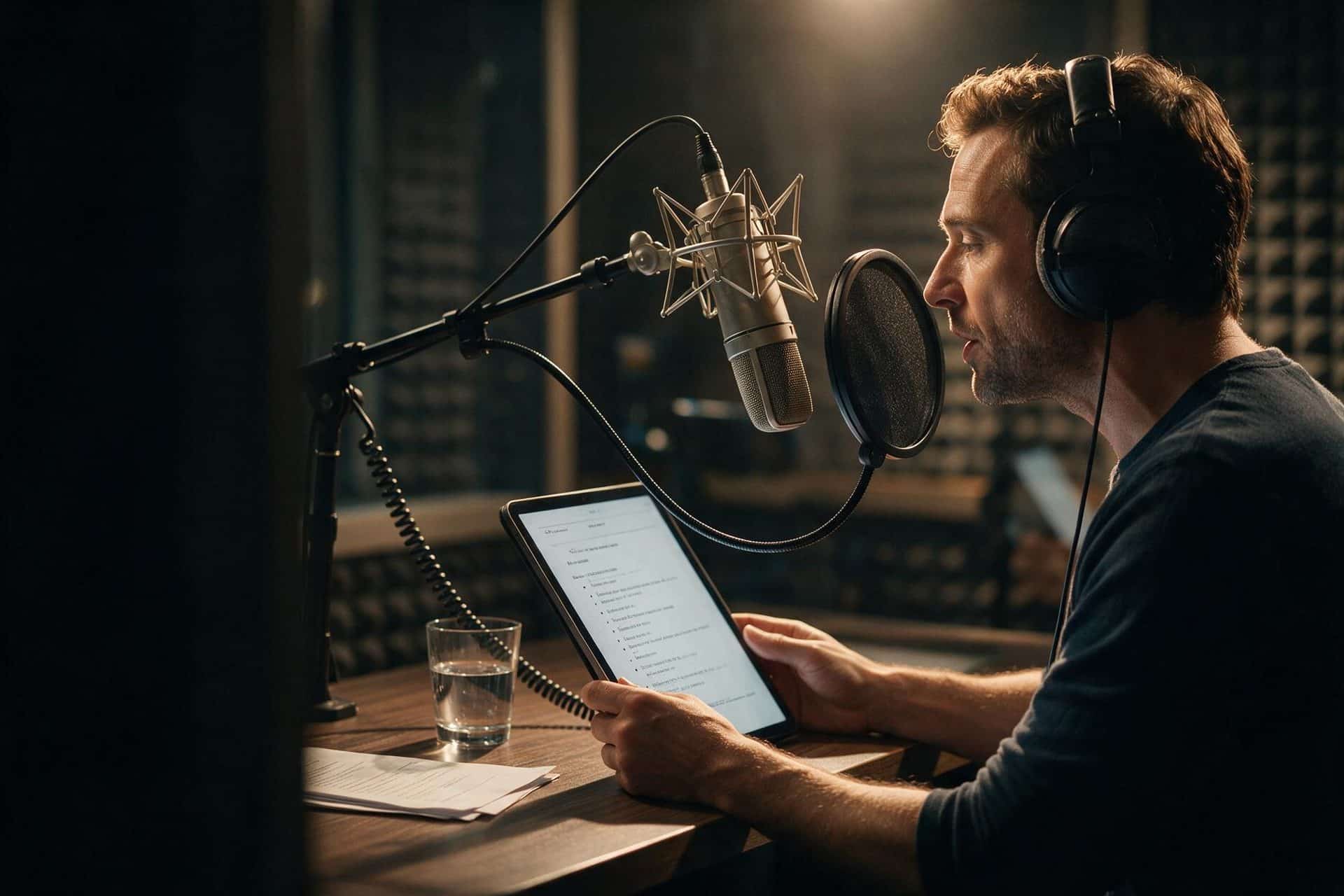
Native Turkish voice actors for corporate video, eLearning, advertising and more. Standard Istanbul Turkish plus regional reads cast to your brief, all recorded in broadcast-quality studios.
90M
Speakers worldwide
Official
Türkiye & Cyprus
48h
Delivery
Are you a Turkish voice actor?
We're always adding new voices to our roster. Send us your demos and we'll consider you for upcoming Turkish projects.
About Turkish voice over
Find the right Turkish voice for your project
Turkish is the most widely spoken of the Turkic languages, with around 90 million speakers. It is the national language of Turkey and one of the two official languages of Cyprus, with significant speaker communities across Germany, the Balkans and the South Caucasus.
Its grammar is agglutinative and notably regular, built on vowel harmony and subject-object-verb word order. Since the 1928 script reform, Turkish has been written in a Latin-based alphabet, and its standard form, Istanbul Turkish, is the register used across broadcasting, advertising and corporate media.
At GoLocalise, we work with professional Turkish voice actors who record in approved studios. We stay on top of every step, from script review and casting through to editing and final delivery, to ensure the voice you go out with matches the audience and content you are producing for.
Turkish builds words by stacking endings, so a single word can carry what English needs a whole clause for, and the endings have to agree with the vowels already in the root. That is vowel harmony, and it is not decoration — a suffix attached with the wrong vowel is simply an error. It is why machine translation into Turkish produces text that a native reader marks as wrong within a line, and why the check has to happen before the session rather than in it.
The verb comes last, which changes how a Turkish sentence lands and how it can be cut. The point arrives at the end, so trimming the tail of a line to fit a duration removes the thing the sentence was building towards. Timing to picture and cutting for subtitles both behave differently from English, and an unadapted translation feels like it is arriving late because, structurally, it is.
The dotted and dotless i is the classic technical failure in Turkish, and it is worth naming because it reaches production so often. Turkish has both ı and i as separate letters, and systems that uppercase or lowercase text using English rules convert them wrongly — turning a correct word into a different one. It hits automated subtitles, on-screen text and anything passed through a CMS. We check it rather than assume the pipeline handles it.
Turkish has no grammatical gender at all, which occasionally makes a translated script ambiguous where the English was specific — and equally makes some clumsy English constructions disappear cleanly. It is worth a read-through with that in mind rather than a straight conversion.
There is also a very large Turkish community in Germany, several generations deep, and content aimed at it is a different brief from content aimed at Turkey: more code-switching with German, different practical references, often a different purpose. Tell us where the listener actually is.
Send us the script and we will check the vowel harmony and the dotted i for free before anything is booked — both are cheap to catch on paper and expensive to catch in a studio. You get an itemised quote, the copy adapted for timing, and a free casting of Turkish voices reading the lines you actually wrote. [Request a Turkish voice over quote](/get-a-quote?help=Turkish%20voice%20over) or outline the project and we will reply with a shortlist.
Turkish marks whether you witnessed something yourself, with a verb ending that signals first-hand knowledge against hearsay or inference. English has nothing equivalent, so a translated claim arrives with that choice made by accident — and in advertising the difference between «this works» stated as direct knowledge and stated as something reported is the difference between a confident brand and a hedging one. It is decided in the writing and it cannot be recovered in the read.
Turkish honorifics follow the first name rather than the surname, so a person is addressed as Ahmet Bey or Ayşe Hanım, not by their family name the way an English script assumes. A translated script that transplants the English convention reads as foreign in exactly the moment — direct address — where you were aiming for rapport. Send us the names with the script and we will set them correctly.
Voice over rates
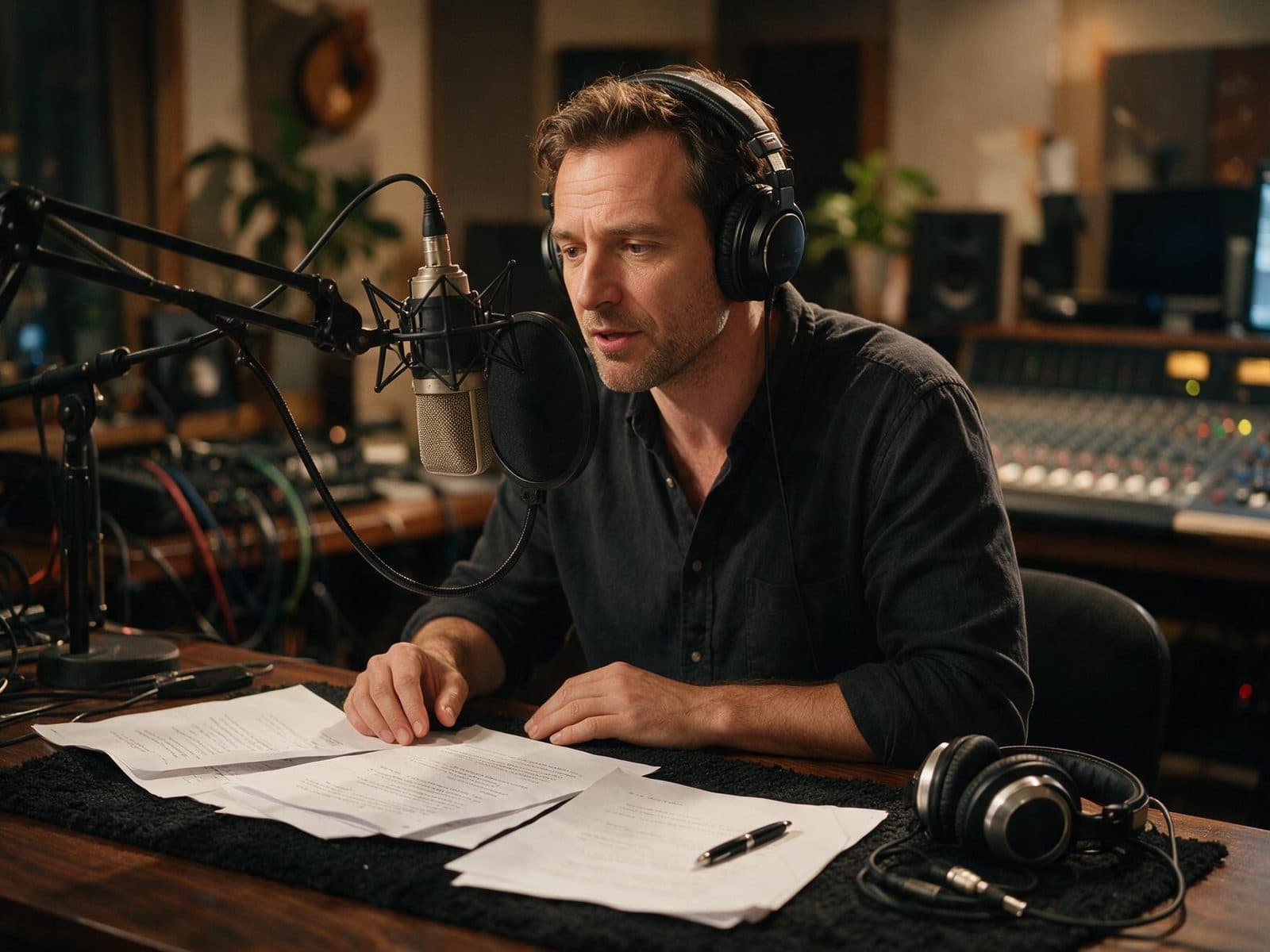
Professional Turkish voice-over recordings
From £400
/ €500 / $550
per hour in the recording studio
That is the voice over recording session itself. Any buyout — the usage fee — is added on top and quoted separately: it depends on the markets the recording runs in, the media it runs on and how long you licence it for. Every line is itemised, and all of it carries our Price Match Promise.
For short corporate content, phone prompts and internal communications.
- Up to 150 words
- 1 revision included
- Files as .wav or .mp3
- 48h turnaround
The full managed option for eLearning, campaigns and anything long-form.
- Any word count
- Casting + script review
- Post-production included
- Dedicated project manager
Trusted by global brands
We have used GoLocalise on a regular basis for projects in a number of languages. The service we receive is great. The team is always friendly and professional. The voiceovers we receive are of a very high quality and the turnaround is extremely quick. We are very happy to recommend GoLocalise to other businesses.

We’ve worked with the GoLocalise team on countless video projects and have always had the same consistent, great experience. Not only are they responsive and quick on turnaround, I can always trust the VO will be done right – they are always 100% clear with communication and ensure their talent is prepared to record by asking necessary questions upfront before recording. Highly recommended and will definitely work with them on future projects.

It was a pleasure to work with David and the team at GoLocalise. David gave me lots of help and advice, guiding me through my first subtitling project. He really knows his stuff! The experience was completely pain-free. I would not hesitate to recommend GoLocalise – outstanding work at a good price.

They’re reliable, adaptive and obsessed with quality. And while you can never be 100% guaranteed of perfection, you can be sure GoLocalise will go the extra mile to get it right every time. Whether that’s hiring extra resources, hopping on multiple calls or even changing their internal processes, they’ll do what it takes. We’ve worked with them now for over 5 years and we are truly thankful to have such a strong localisation partner for our business.
How can we help you?
Managed end to end by one person
Brief review
We read your material first, test the style notes against the audience and mark anything that reads fine and speaks badly.
Casting
We shortlist Istanbul-standard Turkish by default and cast otherwise only when the audience calls for it.
Recording & production
Once the casting is settled we handle the rest: studio booking, session direction, editing and post-production.
Delivery
Broadcast-quality audio, in your format, to the deadline.
One to two working days on most projects
A named project manager on every booking
Professional native Turkish voice actors
Every take recorded to broadcast standard
Content types
Turkish voice over for every kind of content
Whatever you're making, we cast the right voice in Turkish. Explore by use case.
Two ways in: browse Turkish voice over by content type above, or go deeper on a specific project below.
Not sure which fits? Tell us about your project and we'll recommend the right voice.
In-depth guides
Popular Turkish projects, in depth
Dedicated pages with detailed guidance and native voices for the Turkish projects we're asked for most.
Most common questions
Why does our Turkish advertising copy sound hesitant?
Possibly evidentiality. Turkish marks in the verb whether the speaker knows something first-hand or is reporting it, and English has no equivalent — so a translated claim arrives with that choice made by accident. Stated as hearsay, a product claim reads as hedging rather than confident. It is fixed in the writing, not in the delivery.
Why does our machine-translated Turkish read as wrong?
Usually vowel harmony. Turkish attaches endings to a root and those endings have to agree with the vowels already in it, so a suffix with the wrong vowel is an outright error rather than an awkward choice. Native readers mark it within a line. We check it during script review, at no cost, rather than discovering it in the session.
Why do our Turkish subtitles have odd capitalisation?
Almost certainly the dotted and dotless i. Turkish treats ı and i as separate letters, and systems that change case using English rules convert them wrongly, turning a correct word into a different one. It affects automated subtitles, on-screen text and anything routed through a CMS. We check it rather than trusting the pipeline.
Can we just trim the end of a Turkish line to fit the timing?
Not safely. Turkish puts the verb last, so the point of the sentence arrives at the end — cutting the tail removes what the line was building towards. Timing and subtitle cutting both work differently from English here, which is why we adapt the copy rather than shortening the read.
Which type of Turkish accent do I need?
Most projects work well with standard Istanbul Turkish, the register used across national broadcasting and corporate media. Where content targets a specific regional audience, tell us who you're speaking to and we'll cast to that brief. Share your target market and we'll shortlist the right voices.
Is Turkish the same as Azerbaijani?
No. The two are closely related Oghuz languages and share a high degree of mutual intelligibility, but they have distinct standards, pronunciation and vocabulary. An Azerbaijani recording does not read as natural Turkish to a Turkish audience.
How quickly can a Turkish voice-over project be delivered?
While most short projects are delivered within 24 to 48 hours, the exact turnaround depends on script length and talent availability. At the start of your Turkish project, your project manager will confirm the timeline.
Will the Turkish recording match the length of my English original?
Not automatically. Turkish is an agglutinative language, so a single word can carry what English expresses in a whole phrase, and the recorded length can differ in either direction depending on the script. We review timing before the session so the read can be paced to fit your video.
Can the same artist record Turkish and English?
Often, yes. Many of our Turkish voice actors also record accented English and have demos for both, including character and audiobook work. If your project needs both versions from the same voice, mention it up front and we will shortlist accordingly.
How much does a Turkish voice over cost?
One practical note before pricing: Turkish is agglutinative, so a single word can carry what English needs a clause for — and the suffix chain lands at the end. That makes the language unusually resistant to being trimmed to fit a timing, and unusually easy to adapt if you tell us the duration early. The quote is a session fee plus a usage licence matched to the media, itemised, with our Price Match Promise.
What file formats do you deliver Turkish voice overs in?
We hand over Turkish voice over files in any standard format — WAV, MP3, AIFF and beyond — to broadcast specification, as separate tracks or a single combined file.
Can you also translate and subtitle into Turkish?
Yes. We handle translation, Turkish voice over and subtitles or captions together, so the script, voice and on-screen text stay consistent for audiences in Türkiye and Cyprus.
Related services
Complete Turkish localisation
Turkish dubbing
Lip-synced dubbing for film and animation
Turkish subtitling
Captions, SDH and the dotted and dotless i handled correctly
Turkish translation
Scripts, subtitles and marketing
Turkish transcription
Suffix chains parsed grammatically, not guessed by ear.
Turkish translation
One Turkish word can be a whole English sentence.
Ready to start your Turkish voice over project?
Hand us the Turkish script and the brief and the right voices come back to you.
Professional voice over services for your audio and video productions
Voice over

- State-of-the-art studios
- Neumann microphones
- On-hand sound engineers
- 1,000+ voice actors
Translation

- 100+ languages covered
- Tailored to your needs
- Stringent quality control
- Dedicated project managers
Subtitling

- Experienced subtitlers
- Industry-standard software
- Burn-in and graphic editing
- Open and closed captions
Transcription

- Improve accessibility
- Reach a wider audience
- Boost SEO and video views
- Maximise video engagement