
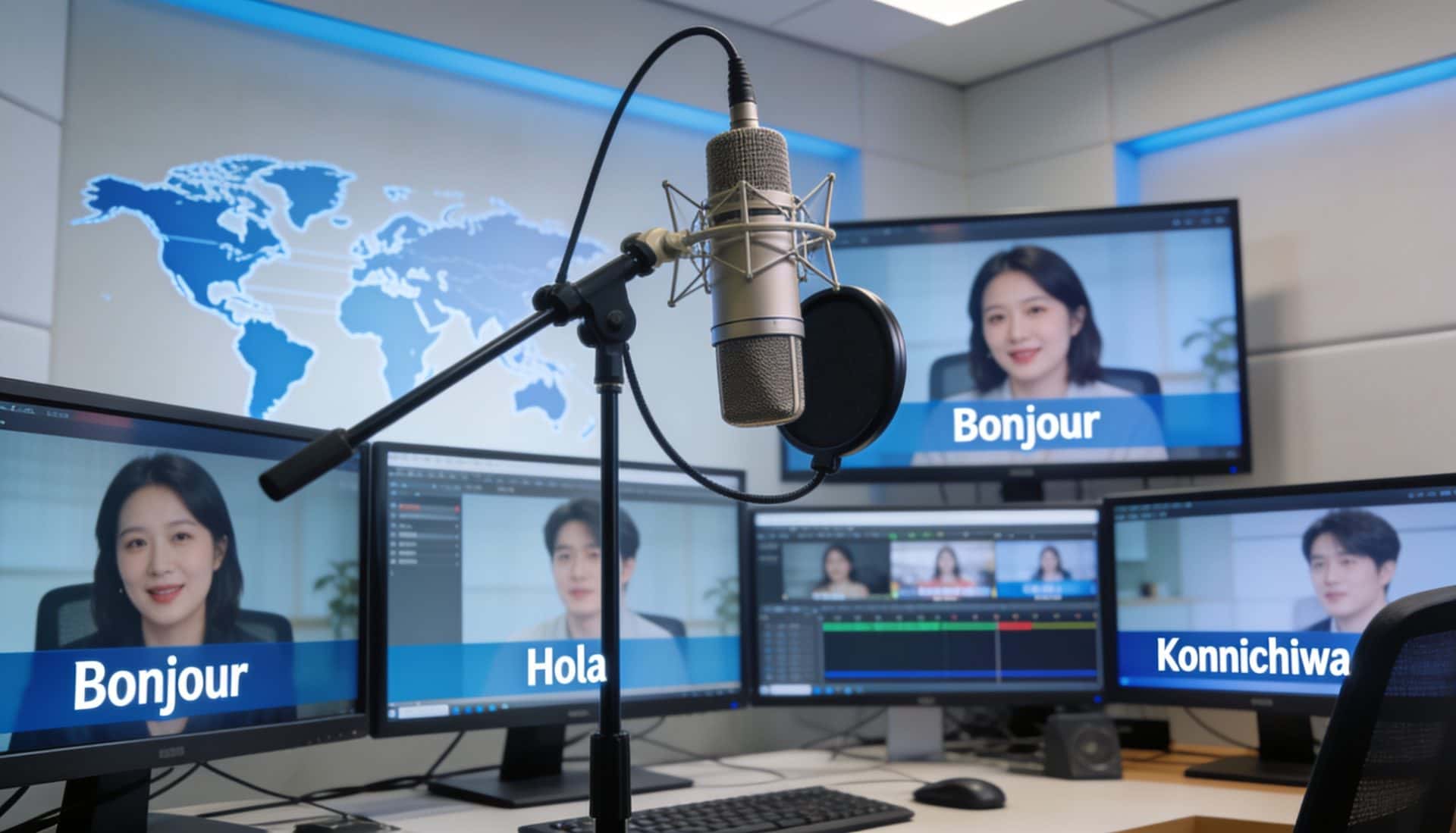
The two words get used interchangeably, but they describe very different jobs. Translation moves the words. Localisation moves the whole experience. Here's how to tell which your content actually needs.
In this article
“Can you translate this into French?” is one of the most common briefs we receive — and often what the client actually needs is localisation. The distinction is not pedantry. It decides whether your content lands as if it were made for the audience, or reads like something imported from elsewhere.
Translation: getting the words right
Translation is the accurate conversion of meaning from one language to another. Done well, it is faithful, fluent and correct. It is exactly the right tool for content where the words themselves carry the value and must not drift: contracts, technical documentation, safety information, medical and legal material. For that kind of content, faithfulness beats creativity every time.
Localisation: getting the experience right
Localisation starts where translation ends. It adapts the material so it feels native — not only the language, but everything around it:
- Tone and idiom — the same message pitched the way locals actually speak.
- Cultural references — swapping examples, names or humour that would not land or could mislead.
- Formats — dates, numbers, units, currency and address styles.
- Imagery and layout — visuals, colours and even reading direction where relevant.
- Timing — pacing a script so it fits the picture or the available screen time.
A perfume ad, a training course and a game each need localisation, not just translation — because tone, culture and timing are part of the message.
Transcreation: the creative extreme
At the far end sits transcreation — recreating the intent and emotional effect of a line rather than its literal words. Slogans and campaign taglines almost always need it: a pun or a rhythm that works in English rarely survives a direct translation, so a skilled linguist rebuilds the idea to produce the same reaction in the new market. Think of it as a spectrum — literal translation at one end, transcreation at the other, and most localisation somewhere in between.
Why it matters for voice and subtitles
Language choices ripple straight into production. A localised script is often a different length from the original — German tends to run longer than English, for instance — which changes how a voice over translation is paced against picture, and how a subtitle must be timed and broken to stay readable. When translation, timing and recording are treated as separate jobs by separate suppliers, scripts arrive that simply do not fit the video. Handling them as one workflow is what keeps everything in sync. For a related decision, see our guide on subtitles vs captions vs SDH.
Which does your project need?
As a quick test: if the words must stay legally or technically exact, you want translation. If the content has a voice, a personality or a persuasive job to do, you want localisation — and possibly transcreation for the headline lines. Most real projects mix all three across different sections.
GoLocalise handles translation, localisation and recording together across 100+ languages, so your script, timing and voice stay consistent from first draft to final file. Send us your brief and we will recommend the right approach for each part of your content.