
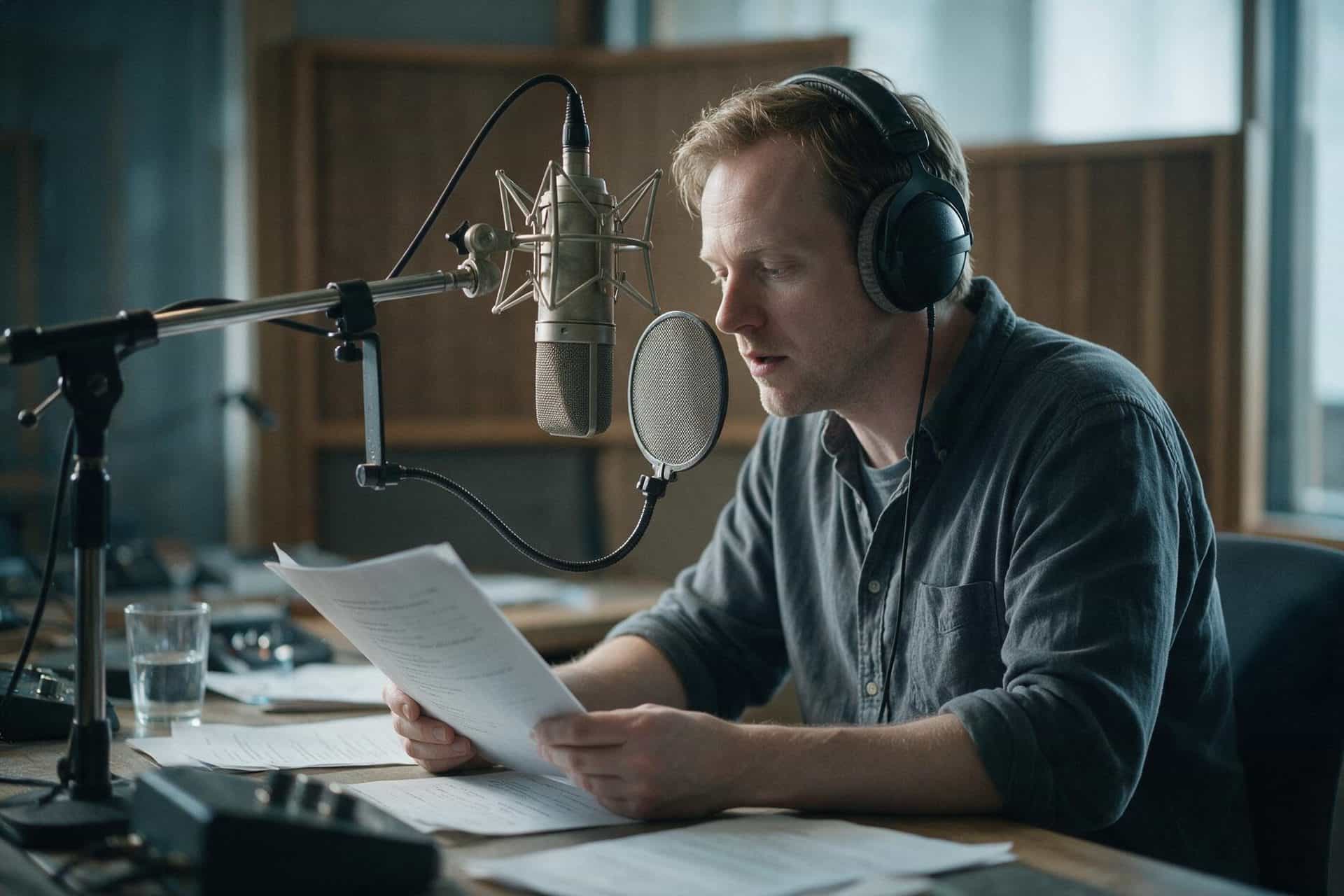
Voice Over · Irish (Gaeilge)
Irish language voice over services
Native Irish speakers for public-sector, education, broadcast and advertising. There is no neutral spoken Irish, so we'll help you pick the dialect before we cast.
3
Main dialect groups
5
Voices based in London
48h
Delivery
Are you an Irish (Gaeilge) voice actor?
We're always adding new voices to our roster. Send us your demos and we'll consider you for upcoming Irish (Gaeilge) projects.
About the language
There is a written standard. There is no spoken one.
Irish — Gaeilge — is a Celtic language, the first official language of Ireland and an official language of the European Union. It is not Irish-accented English: that is a separate service with separate actors, covered on our Irish English page. A brief asking for «an Irish voice» can mean either, so it is worth settling which before casting starts.
Irish has a written standard, «An Caighdeán Oifigiúil», which unified spelling and grammar for official and educational use. What it does not have is an equivalent spoken standard. Pronunciation was never unified, and what exists instead are three dialect groups, each anchored to its Gaeltacht: Ulster (Donegal), Connacht (Conamara) and Munster (Kerry and Cork). They differ in vowels, stress and intonation enough that a speaker places the reader immediately.
The practical consequence surprises people: you cannot order neutral Irish, because the category does not exist. Every Irish recording sounds like it comes from somewhere. We would rather say that at the brief stage than have you discover after delivery that your voice actor «has an accent». Tell us the audience, or the region the content is tied to, and we will recommend a dialect.
The second decision is who is listening. There is a community of fluent everyday speakers, and there is a much larger audience that studied Irish at school and understands it more passively than actively. Content aimed at the second group needs a clearer, more measured read and simpler construction — that is a register decision, and it is as consequential as the dialect one.
Typical work is public-sector and government content, Irish-language education and school material, broadcast and TG4 programming, museum and heritage audio, advertising for the Irish market, and EU institutional documentation — Irish being an official EU language generates steady demand of its own.
Give us the script and the deadline and we will do the rest of the thinking. We read it free, say what we would do differently, and quote the work with each element priced separately. We include a free casting as standard: Irish (Gaeilge) voices, your words, and no commitment attached to the result. Get a free Irish language quote, or tell us the market and the deadline and we will take it from there.
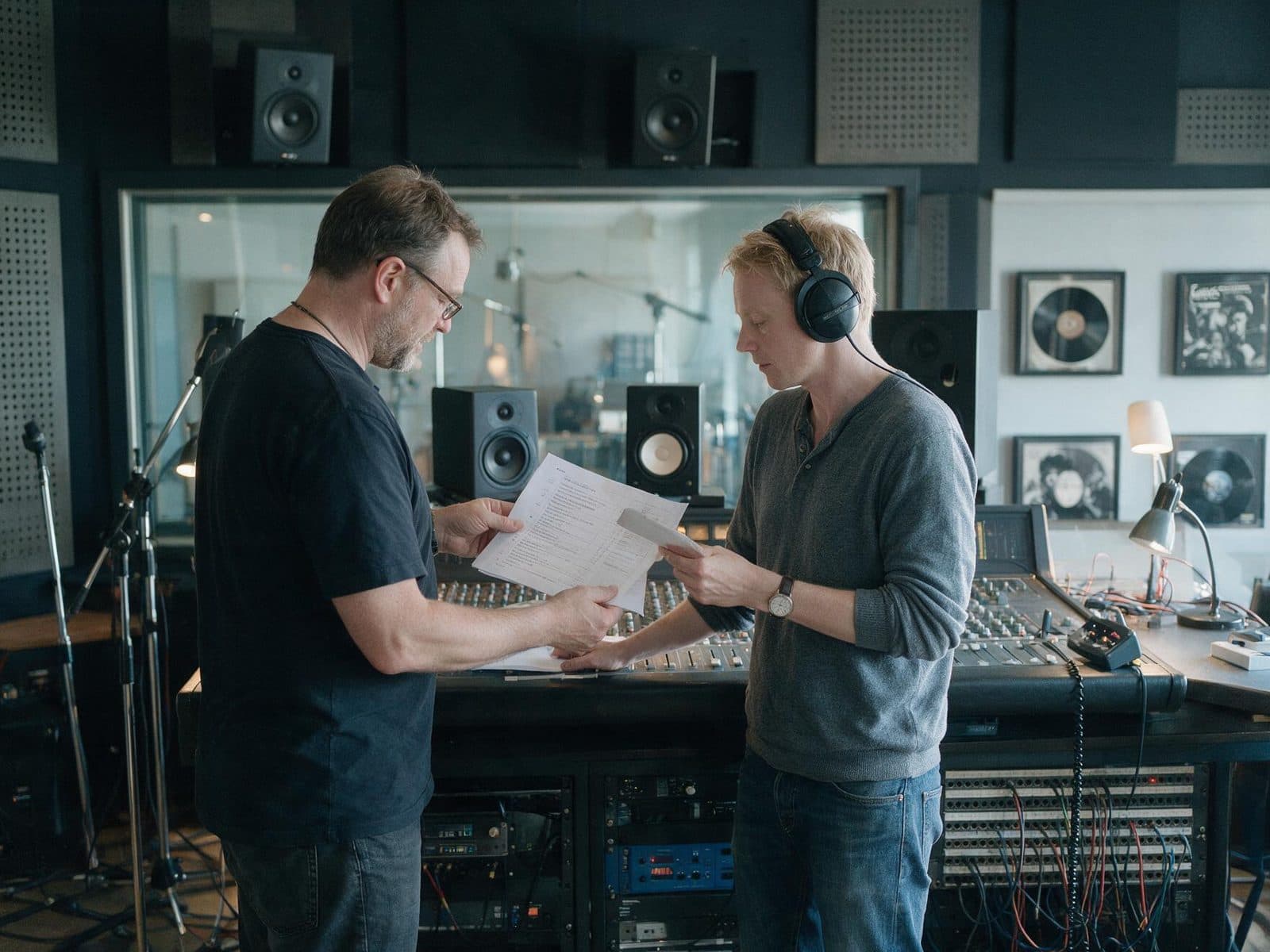
Getting Irish right
Worth settling before the session
Two decisions, and neither of them is one most clients expect to be asked about.
Neutral Irish does not exist
There is a written standard but no spoken one. Every read sounds like Ulster, Connacht or Munster. Choosing deliberately is better than defaulting and finding out later.
Match the dialect to the audience
If the content is tied to a region, use its dialect. If it is national, we will advise on which travels best for your content type — broadcast and education have different conventions from advertising.
Fluent speakers or school Irish
Much of the audience understands Irish passively rather than fluently. For that group, pace, clarity and sentence construction matter more than they would in English, and we direct accordingly.
Irish is not Irish English
Gaeilge is a Celtic language with its own roster of actors. If your brief actually wants an Irish accent in English, that is our Irish English service instead.
How we can help
One partner for the whole Irish-language job
Voice over & narration
Native Irish for public-sector content, education, broadcast, heritage audio and advertising, directed for dialect and register.
Translation & script adaptation
Irish translation by native linguists, written to An Caighdeán Oifigiúil and adapted for the audience's fluency level.
Subtitling & captions
Irish subtitles and captions to go with the recording, so the on-screen text matches the read.
100+ languages under one roof
London studios + global talent network
5.0★ from 149 reviews
Content types
Irish (Gaeilge) voice over for every kind of content
Whatever you're making, we cast the right voice in Irish (Gaeilge). Explore by use case.
Most common questions
Which Irish dialect should we use?
It depends on the audience, and you do have to choose — Irish has a written standard but no spoken one, so there is no neutral option to fall back on. Ulster, Connacht and Munster differ in vowels, stress and intonation, and listeners place a reader immediately. If your content is tied to a region, use its dialect; if it is national, tell us the content type and we will recommend one.
Is Irish the same as an Irish accent in English?
No, and this is the most common mix-up we see. Irish, or Gaeilge, is a Celtic language in its own right. Irish English is English as spoken in Ireland. They need different actors and we hold separate rosters, so if your brief wants an Irish accent rather than the Irish language, our Irish English voice over service is the one you want.
Our audience learned Irish at school. Does that change the read?
Yes, and it is worth saying so in the brief. A large part of the audience understands Irish passively rather than fluently, so pace, clarity and sentence construction do more work than they would in English. We direct for that, and at translation stage we can keep the language closer to the standard taught in schools rather than to dense regional idiom.
Do you have Irish speakers based in London?
Yes, and most of the roster is. You can filter the library above for London-based talent, which also makes attended sessions in our Central London studios straightforward if you want to direct in the room.
Can you translate our script into Irish?
Yes, with native Irish linguists working to An Caighdeán Oifigiúil, the official written standard. We will ask about the audience's fluency and the dialect you are recording in, because both affect word choice even when the spelling is standardised.
Do you handle official and EU documentation?
Yes. Irish is the first official language of Ireland and an official language of the European Union, which generates steady demand for public-sector and institutional content. We work to whatever terminology and style guide your body requires.
What do you use Irish voice over for?
Public-sector and government content, Irish-language education and school material, broadcast and TG4 programming, museum and heritage audio guides, advertising aimed at the Irish market, and EU institutional documentation.
How quickly can we have the files?
Most short Irish projects are delivered within 24 to 48 hours; longer or multi-voice work is scheduled with your dedicated project manager, who confirms a firm date up front.
Can you deliver to our platform's audio specification?
Your Irish (Gaeilge) audio is delivered to your specification: uncompressed WAV, MP3 where size matters, stems where the mix happens elsewhere, at the LUFS target you set.
What do you need from us to quote Irish (Gaeilge) voice over?
Less than people expect: the script, or the draft of it, its total running time or word count, where the recording will be used, and the date you need it by. If the script is not signed off yet, send the draft anyway — we would rather quote on what exists than wait for a version that eats your deadline. A named project manager comes back with an itemised quote, normally within four working hours.
How quickly will we hear back, and who will we be dealing with?
More than half of enquiries get a reply within thirty minutes during office hours (Monday to Friday, 9am to 6pm UK time), and the itemised quote normally follows within four working hours. After that you have one dedicated project manager who owns the job from brief to final file — not a ticket queue, and not a different name on every email. If it is easier, call +44 207 095 5730 and ask for them by name.
We are still pitching and the budget is not signed off. Can we still get an Irish (Gaeilge) quote?
Yes, and it is one of the commonest reasons people get in touch. Tell us it is for a pitch and you get a figure you can put in front of your own client, itemised so it stands up to being picked apart, with no obligation and no follow-up sales calls if the pitch goes elsewhere. If it lands, the quote still holds and we already know the project.
Brands that trusted us with their voice
Casting, direction and recording for campaigns that ran in several markets at once.
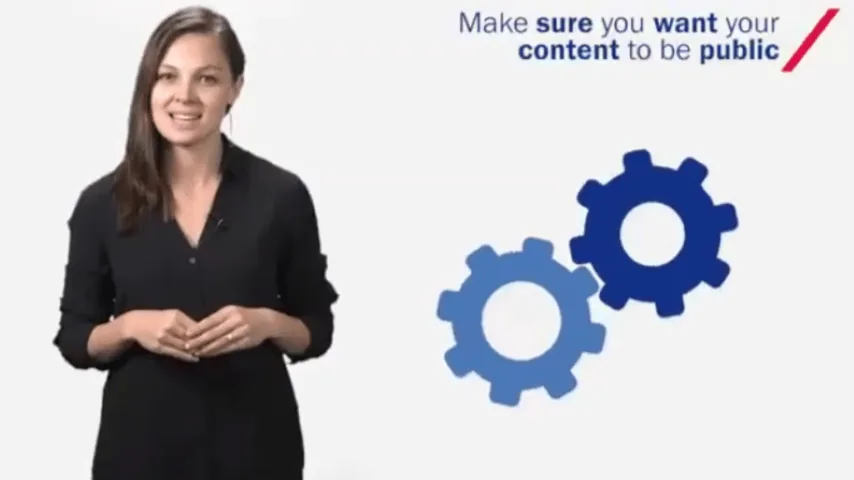
Voice Over · Flemish
AXA — Redefining Standards
Multilingual mastery for instructional videos: a Flemish voiceover journey.
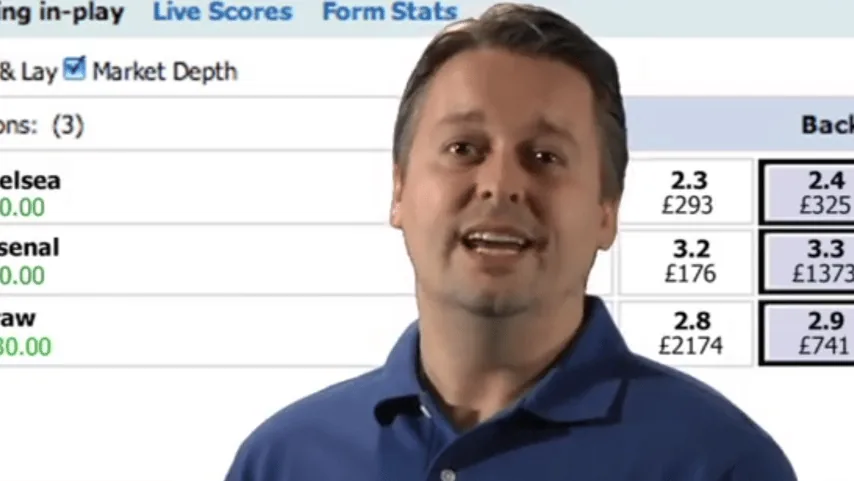
Voice Over · Czech
Betfair
Crafting authenticity in localisation: a Czech voiceover production.
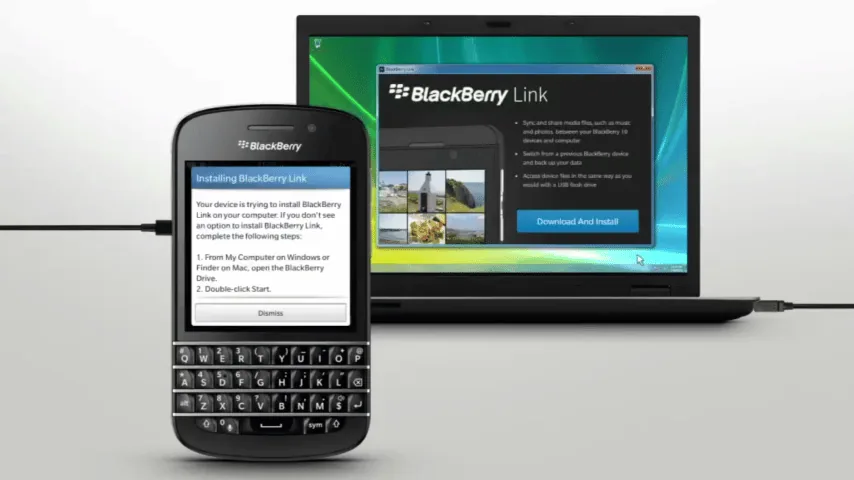
Voice Over · Cantonese
BlackBerry Worldwide
Multilingual voiceover project for BlackBerry's innovative campaign.
Complete your Ireland coverage
Services that pair with Irish
Irish English voice over
The accent, rather than the language.
Welsh voice over
The other Celtic language with official status.
Translation services
Irish translation and adaptation by native linguists.
Irish transcription
The Caighdeán says it is not a standard for speech. Dialect or standardised, your call.
From £400
/ €500 / $550
per hour in the recording studio
That hourly rate is the Basic Studio Fee: the recording session itself, with the voice actor, the casting, the direction, the studio and the engineer included. Any buyout — the usage fee — is added on top and quoted separately: it depends on the markets the recording runs in, the media it runs on and how long you licence it for. Every line is itemised, and all of it carries our Price Match Promise.
Record in Irish, in the right dialect
Tell us the audience and we'll recommend a dialect and register before we cast — with a free, no-obligation quote.
The complete solution to localise your content
Voice over

- State-of-the-art studios
- Neumann microphones
- On-hand sound engineers
- 1,000+ voice actors
Translation

- 100+ languages covered
- Tailored to your needs
- Stringent quality control
- Dedicated project managers
Subtitling

- Experienced subtitlers
- Industry-standard software
- Burn-in and graphic editing
- Open and closed captions
Transcription

- Improve accessibility
- Reach a wider audience
- Boost SEO and video views
- Maximise video engagement