For the movie and TV industry, dubbing has created endless possibilities. It increases the reach of a project so it can find audiences around the world.
In this article
- 1. What is Dubbing in Video Production?
- 2. Dubbing in Audio and Video Production
- 3. Different Types of Dubbing
- 4. Embark on Epic Voices
- 5. How Does Dubbing Work?
- 6. Dubbing Vs Voice-Over
- 7. Dubbing Vs Lip Sync
- 8. Subtitling Vs Dubbing
- 9. How to Produce Professional Dubbing
- 10. Professional Dubbing Services in the UK
- 11. FAQs
For the movie and TV industry, dubbing has created endless possibilities. It increases the reach of a project so it can find audiences around the world.
Dubbing is a post-production tool that has led to the popularity of shows like Dark and Money Heist so it can be accessible in a variety of languages for those who don’t prefer subtitles.
What is Dubbing in Video Production?
So, what does dubbing mean exactly? Is a process through which new dialogues and sounds are added to a project that is already filmed. Typically, it is used to translate a film or a video into a different language.
Videos in foreign languages are translated and the original dialogues are replaced with new dialogues based on the tone, script, and lip movement.
Dubbing is also used when the audio is not high-quality. That way a filmmaker can replace the audio with high-quality dialogue to enhance the quality of the finished project.
Dubbing in Audio and Video Production
Dubbing was earlier thought of as a means to deliver international content in a language preferred by the target audience. Today, it is used by businesses in a variety of industries to compete in a challenging market.
People tend to relate more to a video that is in their native language, and this is one of the reasons why is done in movies. Dubbing makes it more relatable to them by conveying the same tone and emotion in a language they prefer.
Dubbing is particularly popular for TV shows like Dark and Money Heist. With the rising popularity of streaming services, there is a huge demand for dubbed content in the entertainment industry.
Different Types of Dubbing
Now that we know what is dubbing, let’s dive into the different types of dubbing and how they are used:
Film Dubbing
Film dubbing replaces the audio in the original film with new dialogues and audio in the language used by the target audience. When used correctly, it is an art form that can influence the audience and create an end result that is spectacular.
Educational Dubbing
Other than entertainment, is also used for creating educational content. Through dubbing, educational videos can be narrated in a language that the audience understands to make learning more effective.
Documentary Dubbing
In the world of cinema, documentaries hold a special place. Documentary dubbing needs to utilize storytelling and an interpretive approach. Dubbing artists need a lot of voice acting knowledge and preparation to achieve the right results when dubbing documentaries.
Commercial Ad Dubbing
Other than movies and TV, is often used for international commercial ads. Companies can utilize the same video commercial to target audiences in different countries through the use of voice over companies.
Embark on Epic Voices
Master the art of dubbing in video production with GoLocalise's expert services.
TV Shows Dubbing
The popularity of streaming services like Netflix has created an influx of incredible foreign-language shows. These contents are now accessible to people across the world, increasing the views and popularity of TV shows.
Voice Over Agency
Dubbing and voice-over are often considered the same, but they are quite different. So, what is voice-over dubbing?
Voice-overs are primarily used to communicate the message of a video in a different language, but they are not necessarily as immersive as dubbing. Voice-overs have their own use and are generally helpful for non-narrative media and interviews.
Looping
Looping or ADR looping is used in high-end films and is one of the most time-consuming, challenging dubbing methods.
Lopping essentially loops short narration phrases to sync them perfectly to the video to create a polished finished product. This process often utilizes Automatic Dialogue Replacement equipment to achieve this result.
Lock-to-Picture Recording
In this dubbing process, professional voice artists watch the media or film and translate it in a way that the original performance will be replicated. Unlike ADR Looping, this process relies on talented professionals to achieve the same high-quality results.
Lectoring
In lecturing, the audio volume in the original video is lowered and the recorded voice-over is played at a higher volume. The recording is synced to ensure that it matches the original audio duration. This dubbing method is mostly used in international news.
Voice Actor (Ash from Pokémon) Breaks Down Voice Dubbing in 9 Steps | Vanity Fair
How Does Dubbing Work?
To understand how dubbing is done it is important to understand that this is an involved, complex process that requires the collaboration of different experts. For any filmmaker, collaborating with the right set of professionals is the key to success.
Here is a short guideline for most projects:
Creating a Script
Before dubbing can begin for any film or project, the first step is to create a script and translate it into the target language. GoLocalise’s script translation services come in handy at this stage in the project.
This is an involved process because the translated dialogues also need to sync with the timing of the original dialogues. Translation experts can successfully select dialogues that match the length of the original language while still conveying the same meaning and tone.
Choosing the Right Dubbing Talent
The success of any project depends on its talent. While there are many voice professionals in every language, the right individual will know just how to adhere to the timing needs.
The voice of the artist also needs to mirror the inflexion and tone of the original artist and have the same vocal qualities as the original character's voice to make the experience as immersive as possible.
Dialogue Recording
Dialogues need to be recorded in professional recording studios, so it is important to find a space that is equipped with everything that is needed for a localising project (learn more about how to choose the best recording studio for your voiceover project).
GoLocalise has state-of-the-art recording studios with advanced technology to handle even the most complex projects.
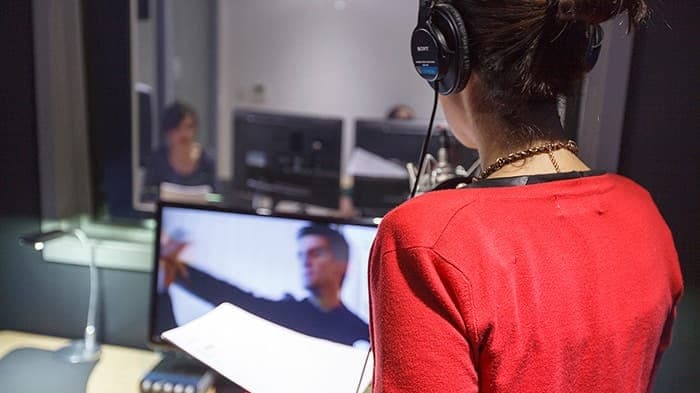
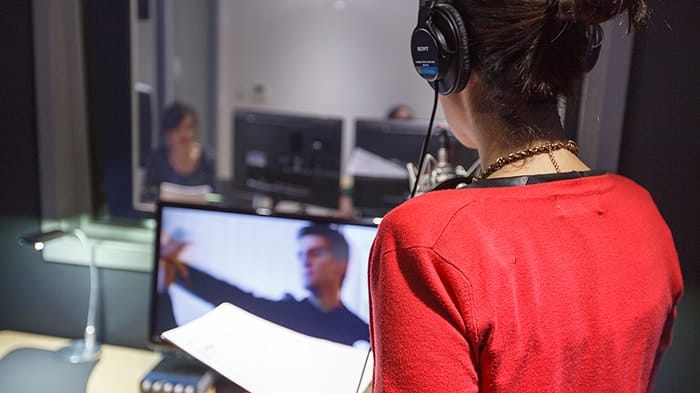
When recording the dialogues, many professionals are involved in the process such as sound engineers, voice artists, translation specialists, and other filmmaking professionals. Artists will usually view the original content while practising their dialogues to ensure that they sync well with the original audio.
Layering the Tracks
Once the dialogues are recorded, the tracks are layered into the original video. This process requires advanced technical expertise and will need competent editing and sound experts.
Layering tracks requires collaboration with a number of specialized professionals so it is essential to hire the right experts for the project.
Dubbing Vs Voice-Over
A voice-over can communicate the intended message but not the emotion. Dubbing is more immersive while a voice-over is more narrative.
Dubbing aims to replace the audio in the original recording accurately so that it sounds natural and conveys the right tone and emotion.
Voice-overs are not intended to capture the actor’s original tones and do not necessarily sync with the movements on the original video.
Dubbing Vs Lip Sync
Dubbing aims to replace the voices of the original audio with the voices of different performers in a different language.
Lip syncing is a sub-category or a dubbing specialization where the artist will match the lip movements in the original video with their vocals. The audio has to be carefully timed in lip-syncing so it does not look obvious that it is dubbed.
Subtitling Vs Dubbing
Subtitling and dubbing are vastly different. In subtitling, the audio is translated into a target language and the translated text is then placed at the bottom of the screen as subtitles. If you have watched a foreign language movie, it's likely you have seen the subtitles at the bottom.
With subtitles, the viewers are able to understand the content while still preserving the original performance and vocals of the original actors. Dubbing, on the other hand, changes the original voice and audio.
How to Produce Professional Dubbing
Is a complex, involved process that requires extensive infrastructure like state-of-the-art voice-over studios and professional equipment.
Also requires access to a large number of professionals such as voice artists, professional translators, sound engineers, and more. It is best to work with an experienced dubbing agency for a professional dubbing project for this reason.
Agencies that have experience providing audio-video translation services will have the resources needed to successfully accomplish such complex projects.
Professional Dubbing Services in the UK
GoLocalise is the leading voice-over agency in London if you are looking for professional dubbing services in the UK.
It has two state-of-the-art studios that are equipped with the latest technology to provide quality localising services for the corporate, education, and entertainment industries. GoLocalise also has an extensive network of voice over artists in 100+ languages and language directors to ensure the correct intonation, pronunciation, and delivery of the script.
FAQs
What is dubbing in video production?
Dubbing in video production refers to the process of replacing the original dialogue or voiceover in a video with a different language or alternate recording. It is commonly used to make videos accessible to audiences who speak different languages.
Why is dubbing used in video production?
Dubbing is used in video production to overcome language barriers and make content accessible to a wider audience. By replacing the original language with a dubbed version, viewers who don't understand the original language can still understand and enjoy the video.
How is dubbing different from subtitling?
Dubbing involves replacing the original dialogue with a new language track, while subtitling involves displaying translated text at the bottom of the screen while keeping the original audio intact. Dubbing aims to provide a seamless viewing experience, while subtitling allows viewers to hear the original voices.
What are the benefits of dubbing in video production?
Dubbing allows content creators to reach a larger audience by making videos available in different languages. It helps eliminate language barriers and enhances the viewer's understanding and engagement with the content. It can also be useful for localization and expanding market reach.
What are some challenges in dubbing for video production?
Dubbing requires skilled voice actors who can match lip-sync and deliver natural performances. It can be challenging to accurately convey the original intent and emotions of the characters while maintaining synchronization. Translating idioms, cultural references, and jokes can also be tricky.
How is dubbing done in video production?
The dubbing process involves several steps. First, a script translation is performed to adapt the dialogue into the target language while preserving the original meaning. Then, voice actors record the new dialogue while watching the original video for lip-sync accuracy. The recorded dialogue is then mixed with the video to create the final dubbed version.
Can any video be dubbed?
In theory, any video can be dubbed. However, the availability of resources and the demand for a particular video in different languages can affect whether dubbing is feasible or not. Popular movies, TV shows, and educational content are often dubbed to cater to a larger international audience.
Is dubbing only used in films and TV shows?
No, dubbing is not limited to films and TV shows. It is also used in various forms of video content, including documentaries, animations, commercials, video games, and online videos. Dubbing can be employed whenever there is a need to communicate with an audience that speaks a different language.
Can dubbing alter the original artistic intent of a video?
Dubbing has the potential to alter the original artistic intent to some extent. The choice of voice actors, their performances, and the quality of translation can influence the overall impact of the dubbed version. However, professional dubbing studios aim to maintain the essence and integrity of the original content during the process.
How important is high-quality dubbing in video production?
High-quality dubbing plays a crucial role in the success and acceptance of a dubbed video. If the dubbing is poorly executed, it can result in a disjointed viewing experience and negative audience feedback. Investing in professional dubbing services ensures a seamless and engaging viewing experience for the target audience.
Need it dubbed professionally?
Lip-sync and UN-style dubbing in 100+ languages — script adapted to the mouth movements, native voice actors cast and directed, and the mix recorded to picture in our London studios.