
What Received Pronunciation (RP) is, what it sounds like and practical tips for speaking with the classic British accent.
In this article
When you think of the typically British accent, chances are you are picturing Received Pronunciation. Note that it is an accent, not a dialect, because its speakers use Standard English. RP is also known by several other names, including BBC English, Oxford English and the Queen's English. Read on to learn its history, what it sounds like and how to speak in it — you might also enjoy our take on why the British accent is so charming.
What is British Received Pronunciation (RP)?
Over the last 1,500 years of the history of English, both vocabulary and pronunciation have changed drastically. The first English dictionary was created by Doctor Johnson in the 18th century, but it only addressed spelling rules, not pronunciation.
Received Pronunciation itself has a history of only a couple of centuries. Linguists began using the term "Received Pronunciation" in the early 20th century to describe an accepted or approved standard British accent. Today it is still widely used when teaching English as a foreign language, and as a reference point for dictionaries and public broadcasting.
Have you noticed that many iconic movie villains have an RP accent?
What Does Received Pronunciation Sound Like?
Every British accent has its own distinct characteristics, and there are many differences between standard English and RP.
In RP, the /r/ sound at the end or in the middle of a word is dropped unless a vowel follows it. Another feature is the linking r: an /r/ sound is added when a word ending in "r" is followed by a vowel, so "four eyes" is pronounced "four-rise."
Films made in England until the early 1960s featured a great deal of RP. Well-known examples of actors using the accent include:
- Diana Rigg in Game of Thrones
- Kenneth Branagh in Harry Potter
- Judi Dench in James Bond
- Sir Anthony Hopkins in The Silence of the Lambs
- Helen Mirren in The Queen
Does the Royal Family use RP?
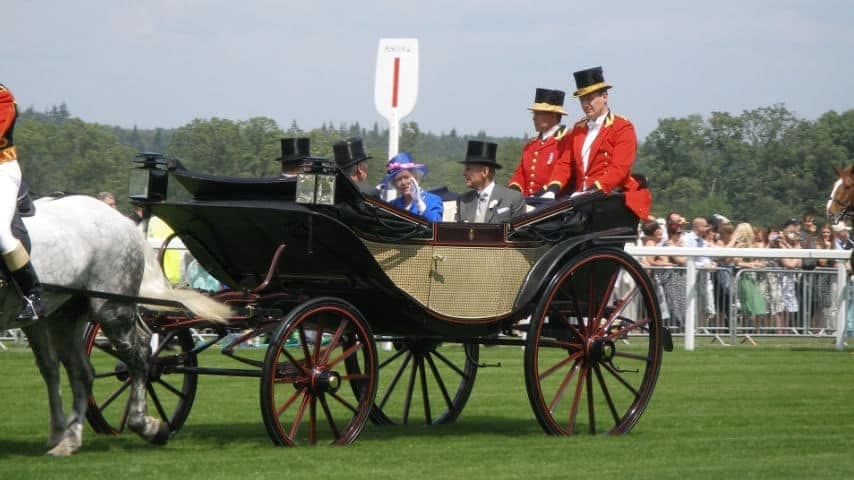
The Queen's English accent is perhaps the most famous accent in the world — but is it really RP? According to the British Library, the Queen spoke an almost unique form of English; her delivery and tone were unmistakably hers, though her accent can still be heard in older upper-class British speakers today. Other members of the Royal Family speak a slightly different, less posh version of the Queen's English (do you know what a posh accent means?).
How to Speak with a Received Pronunciation Accent
Whether you are a voice actor cast in a UK-based show or a producer looking for the perfect voice for your next project with voice over companies, here are a few tips to nail the RP accent:
- Use long vowels. Words like can't, dance, grass and bath have long "ahh" sounds. In northern dialects these are pronounced with shorter vowels, like the sounds in sat, bat and cat.
- Purse your lips, drop your jaw and open your throat. Move your jaw down for the long "a" sound (the "ahh"), and shape the "o" sounds by pursing your lips.
- Fully articulate each consonant. Unlike non-RP accents, RP is not rushed — take your time. The word "particularly" is pronounced "par-tic-yoo-lahr-ly."
- Leave out British slang and filler words such as "like."
- Bear in mind that the many differences between American and British English are even more pronounced when compared with the RP accent.
British RP Voice Actors
Finding actors with authentic Received Pronunciation accents for voiceover projects is easy with voice over agencies — along with Brummie, Cockney and Scouse accents.
Need the perfect British voice for your production? Get a quote and we will help you find the right RP talent.
Ready to cast one? See our dedicated British voice over service — native RP and regional English voices, cast and directed by our team.
Need this accent on your project?
RP, neutral English, regional British and international accents — cast to your brief and recorded to picture in our own London studios, with a director in the room.