

TV commercials are a common form of advertising that plays a crucial role in reaching consumers and promoting products or services. These ads are typically aired during commercial breaks on TV shows, sports events, and other televised programs.
In this article
- 1. Average TV Commercial Length
- 2. Factors Contributing to Good TV Commercial Length
- 3. Ideal TV Commercial Length
- 4. Examples of effective TV commercials at different lengths
- 5. Cost of 30-Second Commercials
- 6. TV Commercial Length and Brand Recall
- 7. Importance of Broadcast Frequency
- 8. Examples of Effective TV Commercials
- 9. Final Thoughts
TV commercials are a common form of advertising that plays a crucial role in reaching consumers and promoting products or services. These ads are typically aired during commercial breaks on TV shows, sports events, and other televised programs. One critical aspect of creating an effective TV commercial is the length of the ad. In this article, we will explore the importance of tv commercial length and how it can impact the success of an advertising campaign.
Average TV Commercial Length
TV commercials come in various lengths, ranging from a few seconds to a couple of minutes. However, the average length of a TV commercial is typically between 15 and 60 seconds. This length allows enough time to convey a clear message while keeping viewers engaged.
The length of TV commercials can vary depending on several factors, such as the channel, time of day, and type of program. For example, commercials aired during prime-time shows can be longer and more expensive compared to those aired during daytime programming. Similarly, commercials aired on national TV networks can be longer and more expensive compared to local TV networks.
The average length of TV commercials has also evolved over time, following changes in media consumption and advertising trends. In the past, 30-second commercials were the standard length for TV ads. However, as attention spans have shortened, advertisers have moved towards shorter commercials to keep viewers engaged. The rise of social media and online advertising has also led to the creation of even shorter ads, such as 6-second bumper ads.
Another factor that has contributed to the evolution of TV commercial length is the emergence of new technologies, such as digital video recorders (DVRs) and streaming services. These technologies have made it easier for viewers to skip or fast-forward through commercials, leading advertisers to create shorter and more impactful ads to capture viewers’ attention.
Factors Contributing to Good TV Commercial Length
The length of a TV commercial is a critical factor in determining its effectiveness. When deciding on the length of a commercial, advertisers must consider several factors that contribute to a good TV commercial length, including the audience, message, and product being advertised.
One of the most important factors to consider is the target audience. Advertisers need to consider the age, interests, and preferences of the audience to determine the optimal length of the commercial. For example, younger audiences may have a shorter attention span and respond better to shorter commercials, while older audiences may be more receptive to longer commercials.
Another crucial factor is the message being conveyed and the product being advertised. Some products or services require more time to explain their features and benefits, while others can be effectively promoted in a shorter time frame. The length of the commercial should align with the message and goal of the advertising campaign.
Different TV commercial lengths can impact viewer engagement and brand recall. Shorter commercials, such as 15-second ads, can be more effective at capturing viewers’ attention and delivering a concise message. These ads are often used to promote products with simple messaging or to tease longer-form content.
Longer TV commercials, such as 60-second ads, can be useful for products or services that require more in-depth storytelling or emotional resonance. These ads can also be effective in telling a story that connects with viewers on a deeper level, leading to increased engagement and brand recall.
Advertisers must carefully consider these factors to determine the optimal length for their commercials, ensuring maximum impact and engagement with their target audience.
Ideal TV Commercial Length
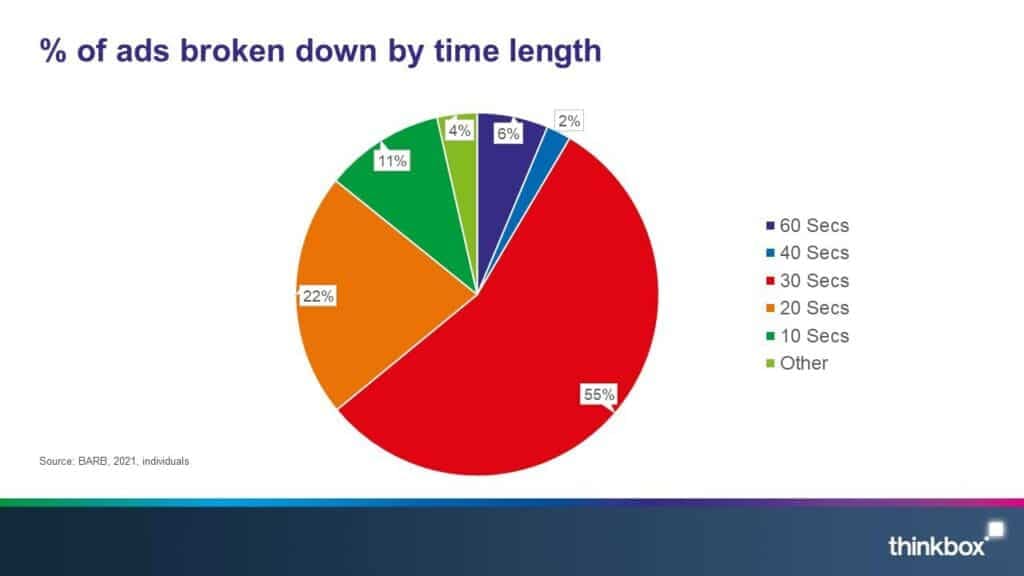
When it comes to TV commercial length, the question of the ideal commercial length is often debated. While the average length of a TV commercial is 30 seconds, some advertisers opt for shorter or longer commercials depending on their target audience and message.
One of the main advantages of a 15-second TV commercial is that it can be more cost-effective than longer commercials while still being impactful. Shorter commercials can also be more effective at capturing viewers’ attention, as they are less likely to tune out during a shorter ad. However, shorter commercials may not be suitable for all products or services, as they may not provide enough time to convey complex information or features.
On the other hand, longer commercials, such as 60-second TV ads, can be more effective at telling a story and creating an emotional connection with viewers. These ads can be more memorable and have a higher chance of creating brand recall. However, longer commercials are more expensive to produce and may not be suitable for all products or services.
Ultimately, the ideal TV commercial length depends on the message, audience, and product being advertised. Advertisers must consider these factors when determining the optimal length for their commercials.
Examples of effective TV commercials at different lengths
15-second commercial: Coca-Cola’s “Taste the Feeling” campaign featured a series of short 15-second commercials showcasing people of different ages and backgrounds enjoying the drink. The commercials were effective at capturing the joy and happiness associated with drinking Coca-Cola in a short amount of time.
30-second commercial: Old Spice’s “The Man Your Man Could Smell Like” campaign featured a series of humorous 30-second commercials showcasing the brand’s range of men’s grooming products. The commercials were effective at using humor to create brand recall and appeal to a wide audience.
The Man Your Man Could Smell Like
60-second commercial: Apple’s “1984” advertisement, which aired during the 1984 Super Bowl. The commercial, directed by Ridley Scott, was a cinematic masterpiece and is often regarded as one of the greatest commercials of all time. The ad introduced the Macintosh computer and conveyed a message of empowerment and individuality, resonating with viewers and contributing to the success of the product.
4K Restoration: 1984 Super Bowl APPLE MACINTOSH Ad by Ridley Scott
There is no one-size-fits-all answer to the ideal TV commercial length. Advertisers must consider their target audience, message, and product being advertised when determining the optimal length for their commercials. Shorter commercials may be more cost-effective and impactful, while longer commercials may be more effective at creating emotional connections and brand recall.
Cost of 30-Second Commercials
TV commercials are an essential component of advertising campaigns, but they can also be expensive. The cost of a 30-second TV commercial varies depending on several factors, including the production quality, airtime, and type of commercial.
On average, a 30-second TV commercial can cost anywhere from $50,000 to $150,000 to produce, not including the cost of airtime. However, the production cost can vary widely depending on the level of production quality required. For example, a commercial that requires special effects, celebrity talent, or extensive location shoots can cost significantly more than a straightforward commercial with minimal production requirements.
The cost of airtime for a 30-second commercial can also vary widely depending on the time of day and channel chosen for broadcast. Primetime slots on popular channels such as ABC, CBS, and NBC can cost upwards of $500,000 or more for a 30-second commercial. Meanwhile, daytime slots on local cable channels can cost as little as a few hundred dollars per commercial.
Several factors influence the pricing of TV commercials. The most significant factor is the level of production quality required, as more elaborate commercials with high production values require more time and resources to produce, which drives up costs. Another factor is the airtime, as primetime slots during popular shows and channels are more expensive than less desirable time slots.
Pricing for different types of commercials can vary widely. For example, infomercials, which are typically longer than traditional commercials and air during off-hours, can cost less than traditional commercials. Local commercials can also cost less than national commercials, as they are aired in smaller markets with less competition.
TV Commercial Length and Brand Recall
The length of a TV commercial can have a significant impact on brand recall. Brand recall is the ability of consumers to remember a brand after seeing or hearing an advertisement. Studies have shown that longer commercials tend to have higher brand recall rates than shorter commercials. However, shorter commercials can still be effective at creating brand recall if executed correctly.
One study conducted by the Advertising Research Foundation found that commercials longer than 30 seconds had an average brand recall of 41%, while commercials shorter than 30 seconds had an average brand recall of 25%. The study also found that longer commercials were more effective at conveying complex messages and creating emotional connections with viewers.
However, shorter commercials can still be effective at creating brand recall if they are executed correctly. A study conducted by Nielsen found that 15-second commercials can have similar brand recall rates as 30-second commercials if they are creatively executed. The study found that shorter commercials are more effective when they are straightforward and focus on a single message or product feature.
Overall, the length of a TV commercial is just one factor that influences brand recall. Other factors, such as the creative execution, messaging, and target audience, also play a significant role in brand recall.
In conclusion, longer TV commercials tend to have higher brand recall rates than shorter tv commercials. However, shorter tv commercials can still be effective at creating brand recall if they are executed correctly. Advertisers must consider the optimal length for their tv commercials based on their messaging, target audience, and creative execution, as well as the desired brand recall rates.
Importance of Broadcast Frequency
The frequency with which a TV commercial is broadcast can have a significant impact on its effectiveness. Broadcast frequency refers to the number of times a commercial is aired during a specific period. Increasing the frequency of a TV commercial can lead to higher viewer engagement, improved brand recall, and increased sales.
One reason broadcast frequency is important is that it can help build brand awareness. The more times viewers see a commercial, the more likely they are to remember the brand and its message. This increased brand awareness can lead to improved brand recall and increased sales over time.
Another reason broadcast frequency is important is that it can help reinforce a brand’s message. By repeatedly showing a commercial, advertisers can reinforce the message and create a sense of familiarity with the brand. This can lead to increased trust in the brand and increased likelihood of purchase.
Studies have shown that increasing the frequency of a TV commercial can lead to higher viewer engagement and improved brand recall. One study conducted by the Advertising Research Foundation found that increasing the frequency of a commercial from one airing to three airings led to a 57% increase in brand recall.
However, it is important to note that there is a point of diminishing returns when it comes to broadcast frequency. A commercial aired too frequently can become annoying to viewers and lead to decreased viewer engagement and negative brand perception.
Examples of Effective TV Commercials
Effective TV commercials come in different lengths and styles, but what they have in common is the ability to engage viewers and create a lasting impression. Let’s take a look at some examples of successful TV commercials at different lengths and analyze what makes them effective.
- 15-Second Commercial: Snickers “You’re Not You When You’re Hungry”
Snickers - You're not yourself when you're hungry
The Snickers “You’re Not You When You’re Hungry” campaign is an example of an effective 15-second commercial. The campaign features a series of short ads that show people behaving strangely due to hunger and then eating a Snickers bar to return to their normal selves.
What makes this commercial effective is its humor and relatability. The humor catches viewers’ attention, and the relatability makes the message stick. The short length of the commercial is also effective, as it leaves viewers wanting more and encourages them to seek out more content in the campaign.
- 30-Second Commercial: Nike “Dream Crazy”
Nike releases full ad featuring Colin Kaepernick
The Nike “Dream Crazy” campaign is an example of an effective 30-second commercial. The campaign features NFL quarterback Colin Kaepernick and other athletes who have overcome adversity to achieve their dreams.
What makes this commercial effective is its emotional appeal and inspiring message. The commercial encourages viewers to dream big and overcome obstacles, and the emotional connection created by the powerful imagery and messaging leaves a lasting impression on viewers.
- 60-Second Commercial: Apple “Think Different”
Apple Think Different Original Ad 1997
The Apple “Think Different” campaign is an example of an effective 60-second commercial. The campaign features a montage of famous historical figures and cultural icons who embody the message of “thinking different” and pushing boundaries.
What makes this commercial effective is its iconic imagery and message of innovation. The length of the commercial allows for a powerful emotional build-up and a clear message that resonates with viewers.
The effectiveness of TV commercials is not solely dependent on their length, but rather on their ability to engage viewers and create a lasting impression. Successful commercials use humor, emotional appeal, and relatable messaging to connect with viewers and inspire action. The length of the commercial is just one factor in its effectiveness, but it can contribute to the pacing and emotional impact of the message.
Final Thoughts
The length of a TV commercial is an important factor to consider when creating an effective advertising strategy. While the average length of a TV commercial is 30 seconds, the ideal length varies depending on factors such as audience, message, and product being advertised.
Factors that contribute to a good TV commercial length include audience engagement, message clarity, and brand recall. By finding the right balance of these factors, advertisers can create commercials that resonate with viewers and drive sales.
The cost of TV commercials can also vary depending on factors such as production quality and airtime. Understanding these factors can help advertisers budget for their advertising campaigns and make informed decisions about their ad placements.
In addition to the length of a commercial, broadcast frequency is an important factor in creating an effective advertising campaign. Increasing the frequency of a commercial can lead to higher viewer engagement and improved brand recall, but there is a point of diminishing returns to consider.
Effective TV commercials come in different lengths and styles, but what they have in common is the ability to engage viewers and create a lasting impression. By analyzing successful commercials, advertisers can learn from their techniques and apply them to their own campaigns. By finding the right balance, advertisers can create commercials that engage viewers and drive sales.
GoLocalise offers a range of advantages for businesses looking to create effective TV commercials, including cost-effective solutions, professional voice over talent, fast turnaround times, and a personalized service. If you’re ready to take your TV commercial to the next level with affordable voice over services, contact us today to learn more.
Need a professional voice over?
Cast, directed and recorded in our own London studios in 100+ languages — most projects delivered in 24–48 hours.