In today’s global marketplace, connecting with diverse audiences requires more than just translating words. To make an impact, brands need to convey meaning, emotion, and cultural relevance.
In this article
- 1. What is Transcreation in Advertising?
- 2. Why Should You Transcreate Your Content?
- 3. When to Choose (or Not) Transcreation in Advertising
- 4. Where Can You Use Transcreation?
- 5. What is the Difference Between Translation and Transcreation?
- 6. Examples of Transcreation in Advertising
- 7. How to Get Started with Transcreation
In today’s global marketplace, connecting with diverse audiences requires more than just translating words. To make an impact, brands need to convey meaning, emotion, and cultural relevance. This is where transcreation comes into play, especially in advertising.
Unlike straightforward translation, transcreation reimagines content to resonate with different cultural contexts while preserving the brand’s core message and emotional impact.
For brands expanding into new markets, a well-thought-out transcreation strategy can make the difference between a campaign that feels authentic and one that misses the mark. By adapting everything from taglines to audiovisual content, brands can communicate in a way that connects deeply across borders.
This article explores what transcreation in advertising entails, why it’s crucial, when to use it, and when it might not be necessary. We’ll also look at where transcreation shines in branding and provide examples of both successful and missed transcreation opportunities.
What is Transcreation in Advertising?
Transcreation, blending “translation” and “creation,” goes beyond simply translating words. It involves adapting a message so that it speaks to the culture, values, and emotions of the target audience. In advertising, transcreation is about ensuring a brand’s campaign resonates across different cultural contexts without losing its intended meaning, tone, or emotional impact.
In other words, transcreation reinterprets content to make it culturally relevant and emotionally engaging for each specific audience. It allows brands to keep their identity intact while adapting to new markets. This process is particularly important in advertising, where emotional resonance is key to successful brand communication.
Why Should You Transcreate Your Content?
Transcreation is vital when expanding your brand globally, as it enables you to communicate in ways that feel local, relatable, and authentic. Here are some reasons why transcreation is essential for advertising success:
- Builds a Genuine Connection: Transcreation helps create messages that are not only understood but felt by the target audience, building a stronger bond with potential customers.
- Preserves Brand Identity Across Markets: Brands often have a specific tone, personality, and style that defines them. Transcreation ensures these elements are adapted, not lost, when crossing cultural boundaries.
- Avoids Misunderstandings and Misinterpretations: Direct translations can sometimes miss the mark or, worse, offend. Transcreation ensures that campaigns are culturally appropriate and sensitive, reducing the risk of misunderstandings.
- Enhances Engagement: When an audience sees content that feels tailored to their language and culture, they are more likely to engage with it. Transcreation enhances this relatability and boosts engagement.
In short, transcreation is an investment in your brand’s ability to be understood and appreciated worldwide.
Read More: What is Localization and Why is important?
When to Choose (or Not) Transcreation in Advertising
Knowing when to use transcreation is key to a successful global advertising strategy. Here’s a breakdown of when it’s the right choice and when it might not be necessary:
Use Transcreation When:
- The content has a strong emotional or cultural component, like in slogans, taglines, or video ads.
- The brand wants to evoke a specific response, feeling, or cultural association.
- Humour, puns, or idioms are part of the message, which may not translate directly.
- The target market has unique cultural values, norms, or sensitivities that require a customized approach.
Avoid Transcreation When:
- The content is informational, technical, or factual, such as product specifications or legal information, where accuracy is more important than emotional resonance.
- The audience is already familiar with the original language or brand tone, and only minor adjustments are needed.
Knowing when transcreation is needed helps brands allocate their resources wisely and achieve their desired impact in each market.
Where Can You Use Transcreation?
Transcreation works well for elements in advertising and branding that carry emotional or cultural significance. Here are some key areas where transcreation can help brands communicate effectively:
- Idioms and Sayings: These are often unique to specific languages and can sound strange if translated literally. Transcreation finds the equivalent expression that makes sense in the target culture.
- Headlines, Taglines, and Slogans: Slogans often rely on wordplay or a clever twist of language. Transcreation ensures these phrases have the same impact in the target language.
- Humor and Wordplay: Humor doesn’t always translate well, as it’s often culturally specific. Transcreation adapts jokes, puns, and wordplay to match the target audience’s sense of humor.
- Country-Specific References: Local references—such as a well-known sports team or a popular landmark—may need to be adapted or replaced to maintain relevance in another country.
- General Branding Materials: Brochures, flyers, and digital ads should feel familiar to the target audience. Transcreation ensures the style, tone, and messaging fit naturally.
- Body Language and Facial Expressions in Audiovisual Content: In visual media, even gestures and facial expressions can have different interpretations. Transcreation helps tailor visual elements to local cultural norms.
By adapting these elements, transcreation makes advertising campaigns feel more natural and relevant, enhancing their effectiveness.
What is the Difference Between Translation and Transcreation?
While translation and transcreation share the goal of adapting content for a new audience, they have distinct differences:
- Focus on Literal vs. Cultural Meaning: Translation focuses on transferring words accurately, while transcreation focuses on conveying the intended emotion and cultural meaning.
- Degree of Creative Freedom: Translators aim for accuracy, sticking close to the original text. Transcreators, however, have the creative freedom to change phrases, examples, or imagery to ensure the message resonates culturally.
- Adaptability for Marketing: Translation works well for straightforward text, like manuals or legal documents. Transcreation is designed for marketing and branding, where cultural resonance and emotional impact are vital.
In essence, translation is about linguistic precision, while transcreation is about cultural and emotional connection.
When to use transcreation instead of translation
Examples of Transcreation in Advertising
Transcreation has played a role in many successful—and not so successful—advertising campaigns. Let’s look at some examples of best practices and common missteps:
Successful Transcreation:
- KFC’s “Finger-Lickin’ Good”: Originally, this slogan did not translate well in Chinese, but with effective transcreation, KFC found a phrase that preserved the intended meaning without sounding odd.
- Coca-Cola’s “Share a Coke” Campaign: This campaign used popular local names on Coke bottles in different countries, creating a personal connection and making each consumer feel valued.
Missed Transcreation Opportunities:
- Pepsi’s “Come Alive” Campaign in China: When Pepsi’s slogan “Come Alive with Pepsi” was directly translated, it suggested bringing ancestors back from the dead, a cultural misstep that could have been avoided with transcreation.
- Ford’s Slogan in Belgium: Ford’s campaign promoting “Every car has a high-quality body” translated awkwardly in Belgium, where it suggested attractive corpses. Proper transcreation could have saved this from becoming a brand embarrassment.
These examples show how thoughtful transcreation can elevate a campaign and help brands avoid costly blunders.
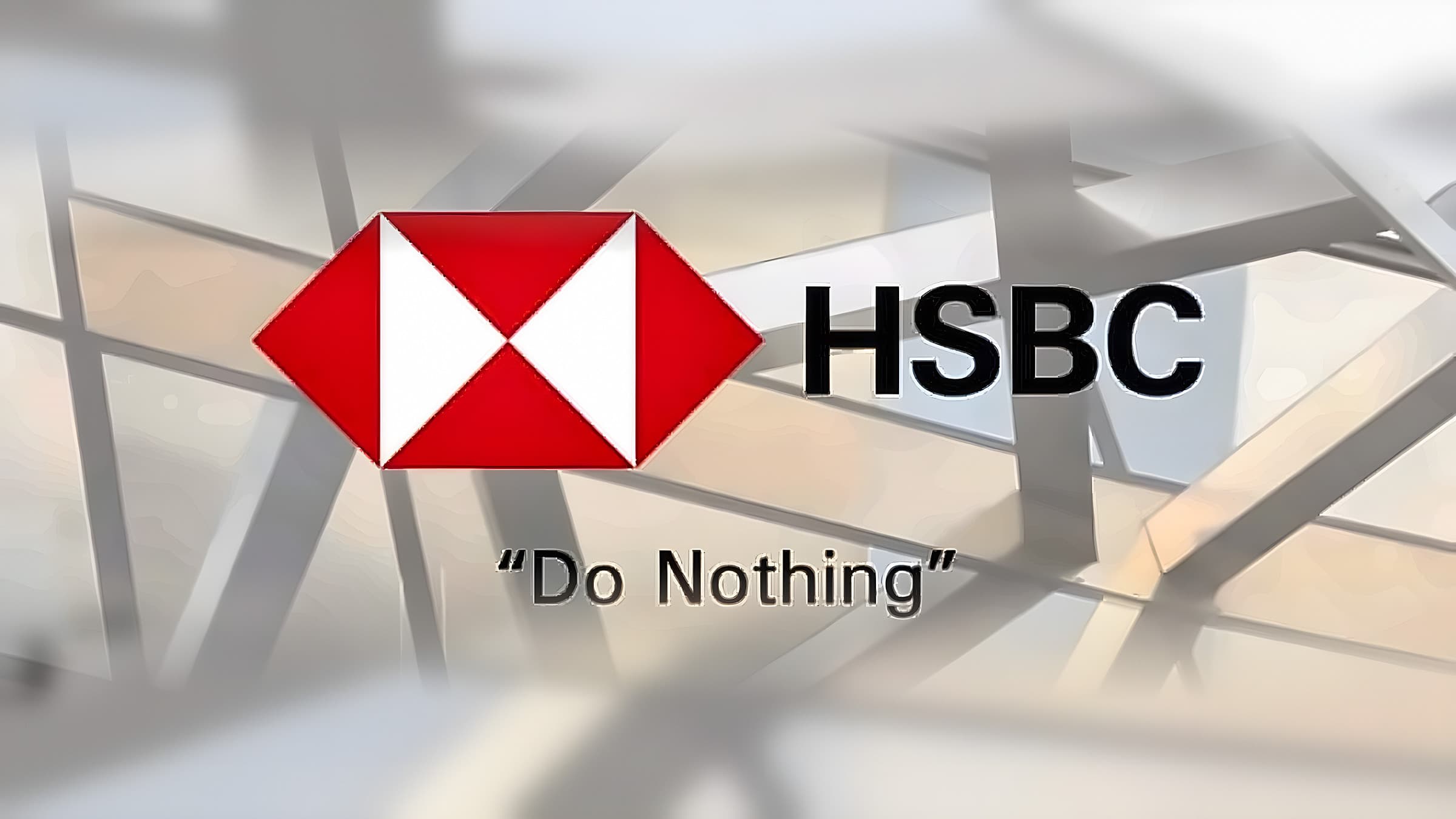
3 Transcreation Fails from BIG Brands | Marketing Translation Mistakes
How to Get Started with Transcreation
Starting a transcreation project requires careful planning and collaboration. Here’s a step-by-step guide to get started:
- Define Your Goals: Clarify the emotional response, tone, and cultural connections you want to achieve. Set specific goals for the campaign in each target market.
- Develop a Creative Brief: A creative brief is essential for transcreation projects. Outline the brand’s voice, target audience, and any cultural insights that the transcreation team should consider.
- Choose the Right Transcreation Experts: Look for transcreators who are not only fluent in the target language but also have a deep understanding of the local culture. Creative copywriting skills are a bonus.
- Conduct Market Research: Understanding the cultural preferences, trends, and norms of your target audience will ensure the transcreation is well-received.
- Review and Refine: Transcreation is often iterative. Be open to feedback and revisions to fine-tune the message until it feels just right for the local market.
- Test and Monitor: If possible, test the campaign on a small segment of the target audience to gather feedback. Once launched, monitor the response and engagement to gauge its effectiveness.
By following these steps, brands can ensure their transcreation projects are successful and impactful.
Transcreation is more than a translation service; it’s a strategic approach to building meaningful connections across cultures. When brands choose transcreation, they invest in creating content that feels authentic and relatable, enhancing their global presence and resonance.
By adapting their messaging thoughtfully, brands can make a lasting impression in each new market, building trust and brand loyalty along the way.
Planning a localisation project?
One London studio for voice over, subtitling, translation and transcription across 100+ languages.