
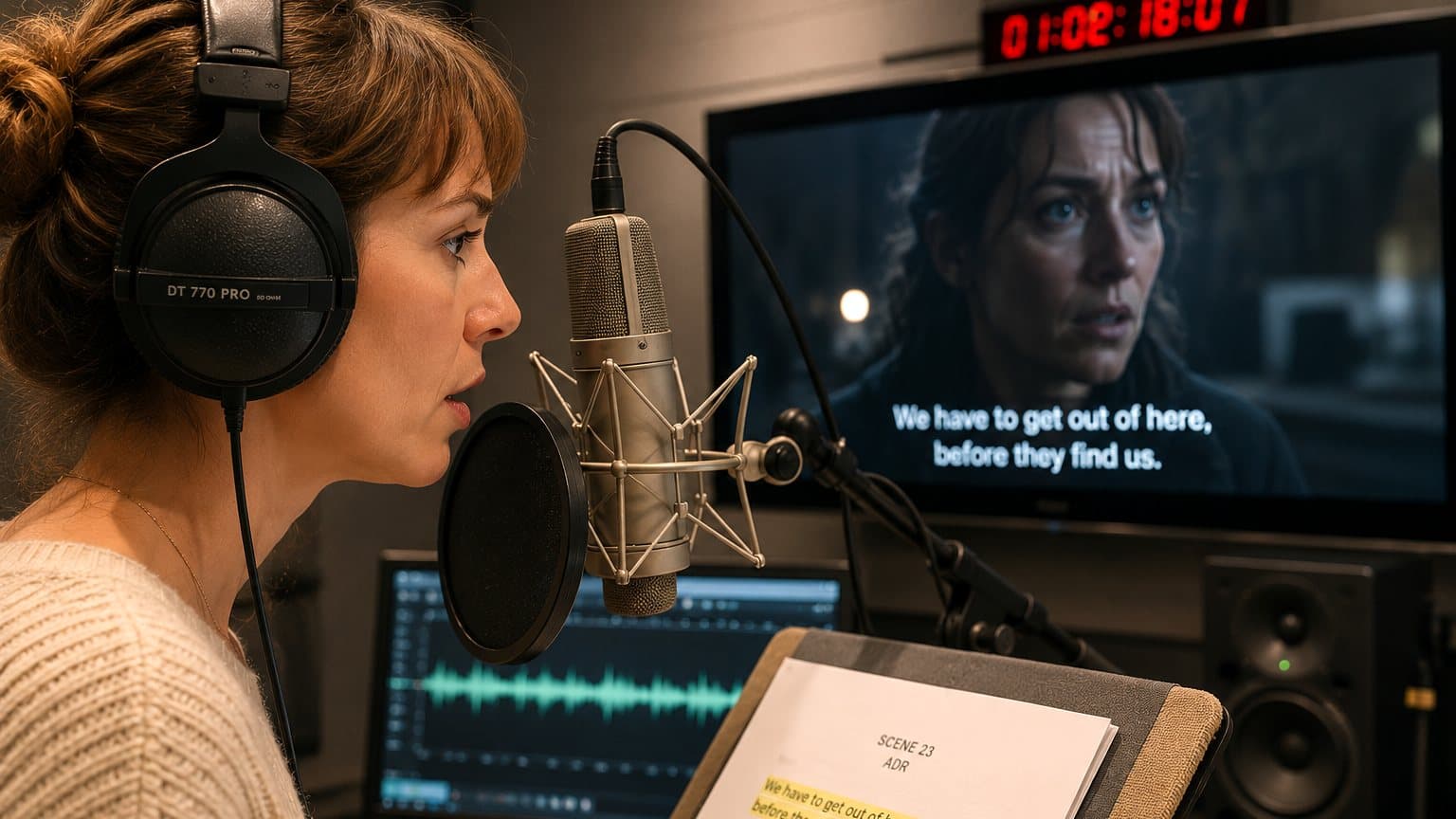
ADR voice over
Get a quoteProfessional ADR voice over and recording services
Production sound fails for ordinary reasons: a plane over the location, a radio mic that clipped, a line the director wants delivered differently now the edit exists. ADR is how those problems get solved without reshooting, and it has to be invisible — the audience should never hear the join.
At GoLocalise, we provide ADR voice over and automated dialogue replacement for feature films, television, streaming and commercials, recorded to picture in our London studios and matched to the original take so it drops straight into your existing mix.
- Recorded to picture with timecode, so replaced lines land exactly where the edit expects them
- Matched to the original production sound in tone, perspective and room, not just in words
- Voice matching where the original performer is unavailable, cast against the existing dialogue
- Mix-ready delivery in your session's format, with handles and takes your dubbing mixer can work with
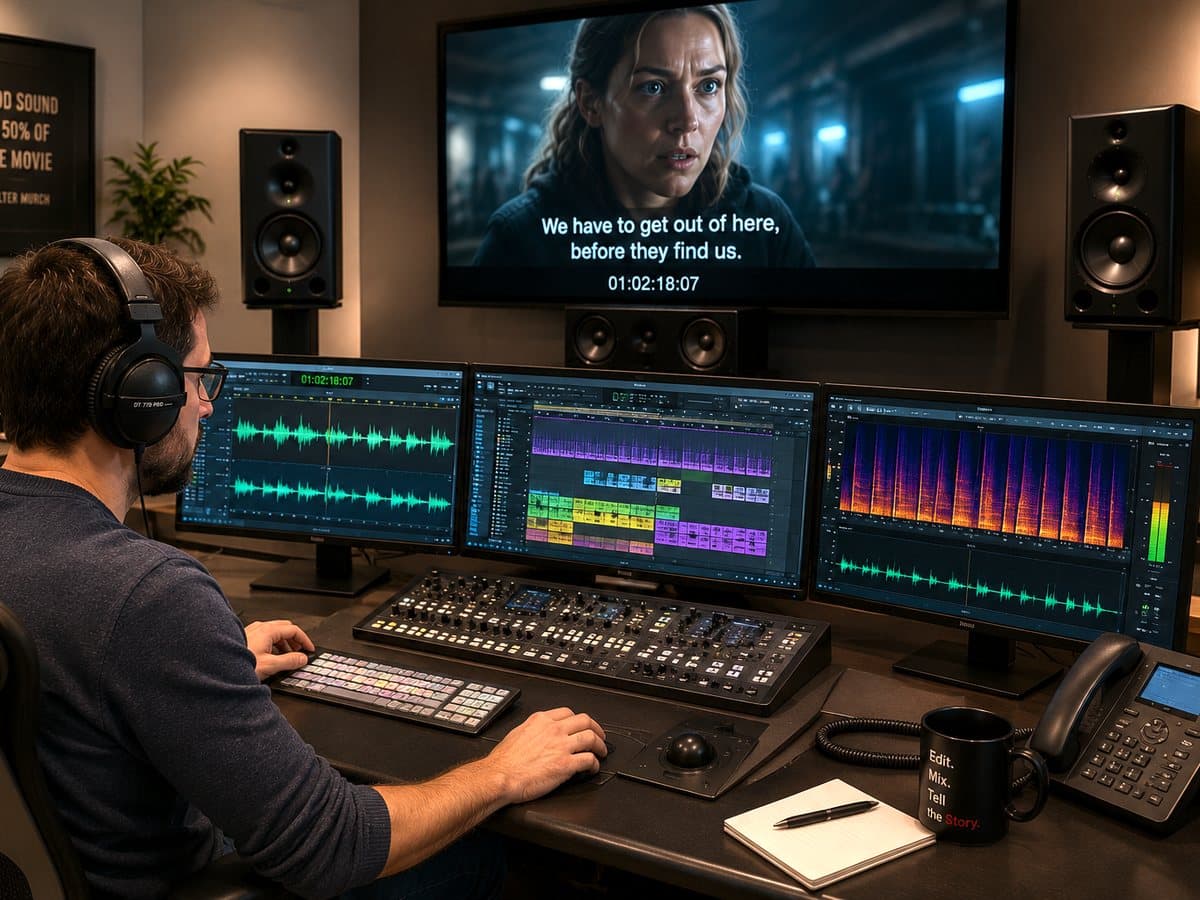
Explore some examples of our ADR Voice Over Artists
ADR is judged by whether anyone notices it. A replaced line that draws attention to itself has failed, however clean the recording is.
Loading…
Types of ADR work we record
ADR covers more ground than replacing a spoiled line. These are the six kinds of session we are booked for most, each with its own technical and performance demands.
Technical ADR
Replacing dialogue where the production sound is unusable — traffic, wind, aircraft, camera noise or a failed radio mic. The performance already exists on location; the job is to rebuild it convincingly in a booth, matching the energy and physicality of a take the actor gave months ago.
Creative ADR
Re-recording a line because the edit changed, the director wants a different reading, or a scene needs new information. Freer than technical ADR, but it still has to sit alongside untouched production sound in the same scene without announcing itself.
Voice matching
Casting a performer to match an original actor who is unavailable, has died, or cannot be recalled within the schedule. A specialist skill: it needs a close ear for timbre, rhythm and idiosyncrasy, and it is judged entirely on whether the audience notices the substitution.
Walla and group ADR
Crowd voices, background chatter and reaction sounds recorded by a group to fill the world around the principal dialogue. Essential for restaurants, stadiums, offices and streets, and one of the clearest markers between a finished mix and an unfinished one.
Content and language replacement
Swapping specific words or lines for broadcast standards, airline edits, regional versions or brand and legal changes. Usually tightly constrained — the replacement has to fit the existing mouth movement and run time exactly.
Remote and connected ADR
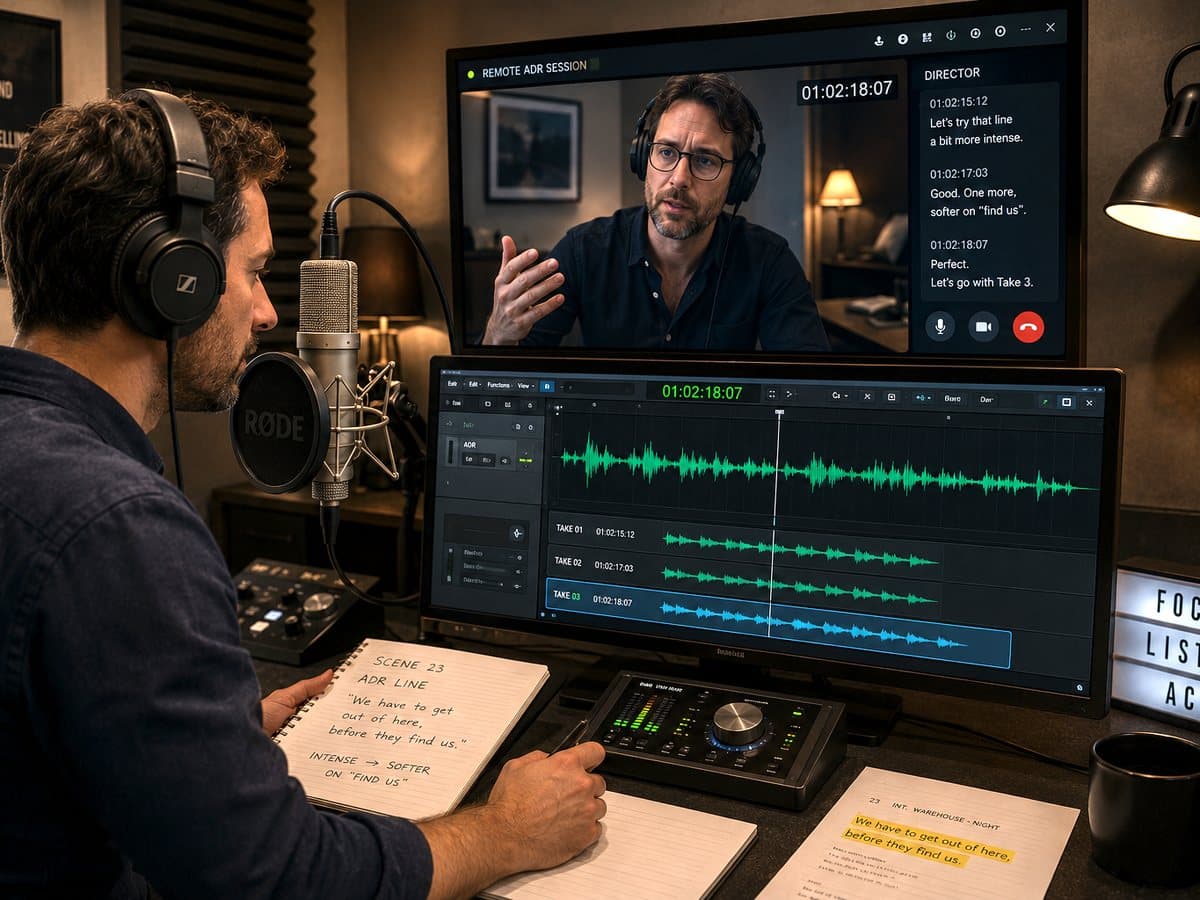
Recording an actor in our London studios while the director, producer or mixer joins live from anywhere via Source-Connect or a similar link. Standard practice for international productions, and it keeps creative approval in the room without the travel.
How our ADR recording process works
ADR sits late in post, which means it usually arrives with a fixed mix date and no room to slip. The work is as much technical as performative: matching perspective, room tone and delivery to material recorded months earlier on location. Every session runs through a dedicated project manager:
Cue sheet review
Picture & timecode prep
Talent or voice match
ADR session to picture
Performance direction
Sync editing & fitting
Perspective & tone match
Mix-ready delivery
Cue preparation, casting, recording and delivery all run through one team in one building — which is how ADR arrives matched, in sync and ready for the dubbing mixer.
Why use a professional ADR studio?
ADR succeeds only when nobody hears it. A replaced line sits inside a scene of untouched production sound, so it has to match the room, the distance from the mic, the actor's physical state and the energy of the original take. That match is a craft, and a technically clean recording that ignores it stands out worse than the noisy original.
The room matters as much as the mic. ADR recorded in an untreated space carries its own acoustic signature into a scene shot somewhere else entirely, and no amount of processing fully removes it. Our London studios are built and treated for exactly this work, with the mic options needed to match a range of production perspectives.
ADR arrives late and moves fast. By the time cues are locked, the mix date is usually fixed and the actor's availability is narrow. Sessions have to be prepared properly in advance — cues marked, picture and timecode ready, streamers set — so the time in the booth goes on performance rather than setup.
Voice matching is a real specialism. When an original performer cannot return, the substitute has to be cast on timbre and delivery rather than on a good demo, and directed against the actual original dialogue. Very few voices do this convincingly, and casting it casually is how a scene quietly falls apart.
How to plan an ADR session
Come with a cue sheet, not a hunch. Knowing exactly which lines are being replaced, their timecodes and why, is what turns an open-ended session into a scheduled one. It is also the single biggest factor in what an ADR day costs.
Supply the original production audio for every cue, even the unusable takes. The performance in that spoiled recording is the reference the replacement is matched against — tone, pace, breath and physicality — and working without it means guessing.
Think about perspective before the session, not in the mix. A line delivered across a room, through a door or in close-up needs a different mic choice and distance, and matching that in the booth is far more convincing than recreating it afterwards with processing.
When we scope ADR at GoLocalise, these are the four things we settle first
Cue sheet, timecodes and run time
Picture, guide track and sync format
Original talent or voice match casting
Delivery spec for your dubbing mixer
ADR recording pricing & session options
ADR is quoted on studio time and cue count rather than on finished runtime, because a dozen scattered lines across a feature can take longer than a single dense scene. Talent, engineering and whether a remote link is needed all sit on top. That is why we scope per session. The tiers below are reference points showing how ADR bookings typically come together:

Bronze
For a short session covering a handful of cues with your own talent. Includes:
- Studio time with an ADR engineer
- Recording to picture with timecode
- Sync editing and clean-up
- Delivery in your session's format

Silver
For a full ADR day with directed performance and remote attendance. Includes:
- Full-day studio and engineer
- Cue preparation and streamer setup
- Remote director link via Source-Connect
- Sync editing, perspective matching and delivery

Gold
For productions needing casting, voice matching and group ADR. Includes:
- Voice match casting with your sign-off
- Principal ADR plus walla and group sessions
- Directed sessions with remote attendance
- Full sync, tone matching and mix-ready delivery
Custom ADR bookings
A feature with two hundred cues across a six-week post schedule? A single line replaced for a broadcast compliance note? A voice match for an actor who is no longer available? ADR bookings vary this widely, so send us the cue sheet and we will quote around it.
Get a tailored quote for your sessionADR, dubbing and international versions
ADR and dubbing are often confused, and the distinction matters when you are scoping a budget. ADR replaces dialogue in the original language for technical or creative reasons. Dubbing replaces it in another language for a new audience.
Most international releases end up needing both, and running them through one team keeps the original-language master and every localised version working from the same picture, cues and standards.
ADR first, then localisation
ADR belongs to the original-language master, and it should be finished before localisation starts. Dubbing a version from a master still carrying unreplaced dialogue means redoing work once the ADR lands.
We sequence the two deliberately: original-language ADR completed and approved, then translation and dubbing built from the finished master.
That order removes the most common source of duplicated cost in film post-production.
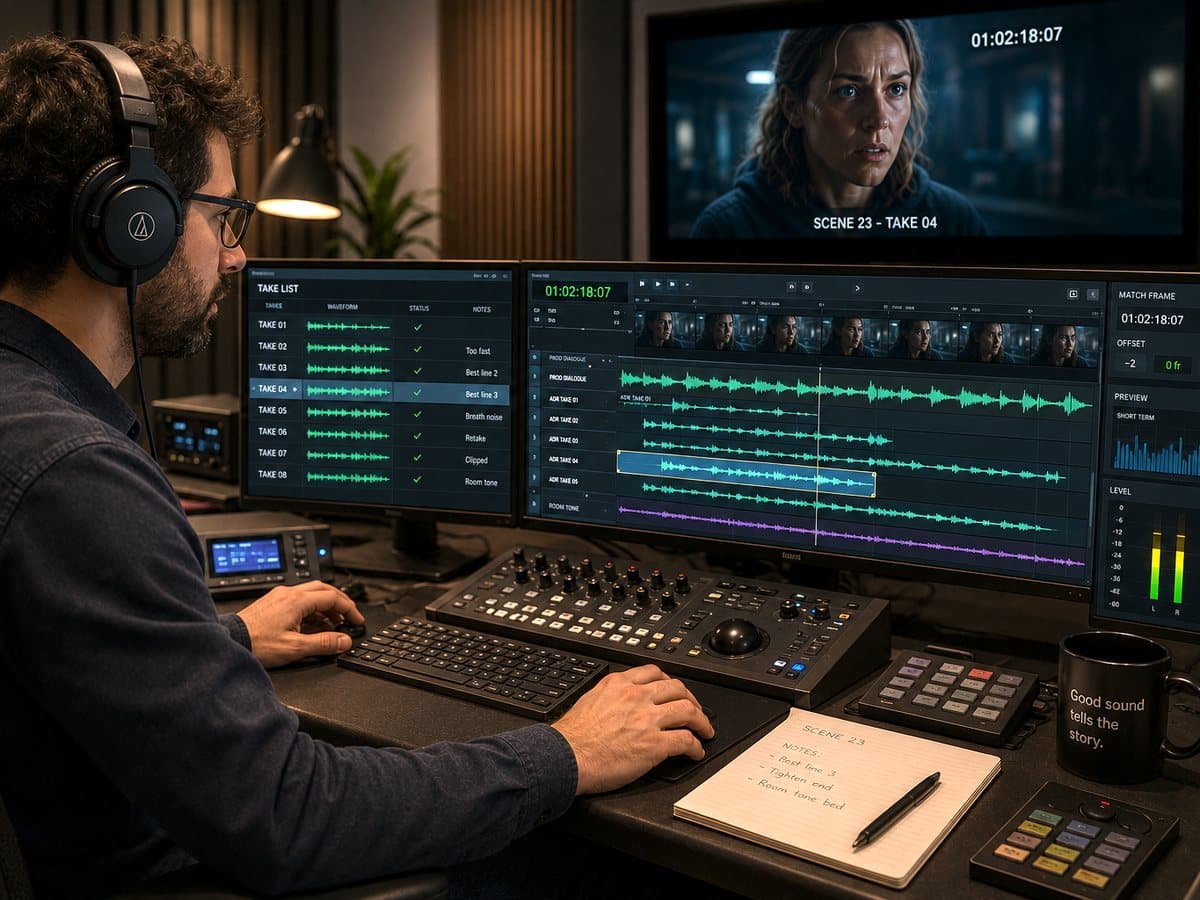
One studio, one set of specifications
ADR and dubbing split across separate suppliers tend to drift apart technically — different mic choices, different levels, different delivery conventions — and your mixer absorbs the difference.
Running both through our London studios means one specification, one engineering standard and one point of contact across the original and every language version.
Your dubbing mixer receives files built to the same spec whichever version they are working on.
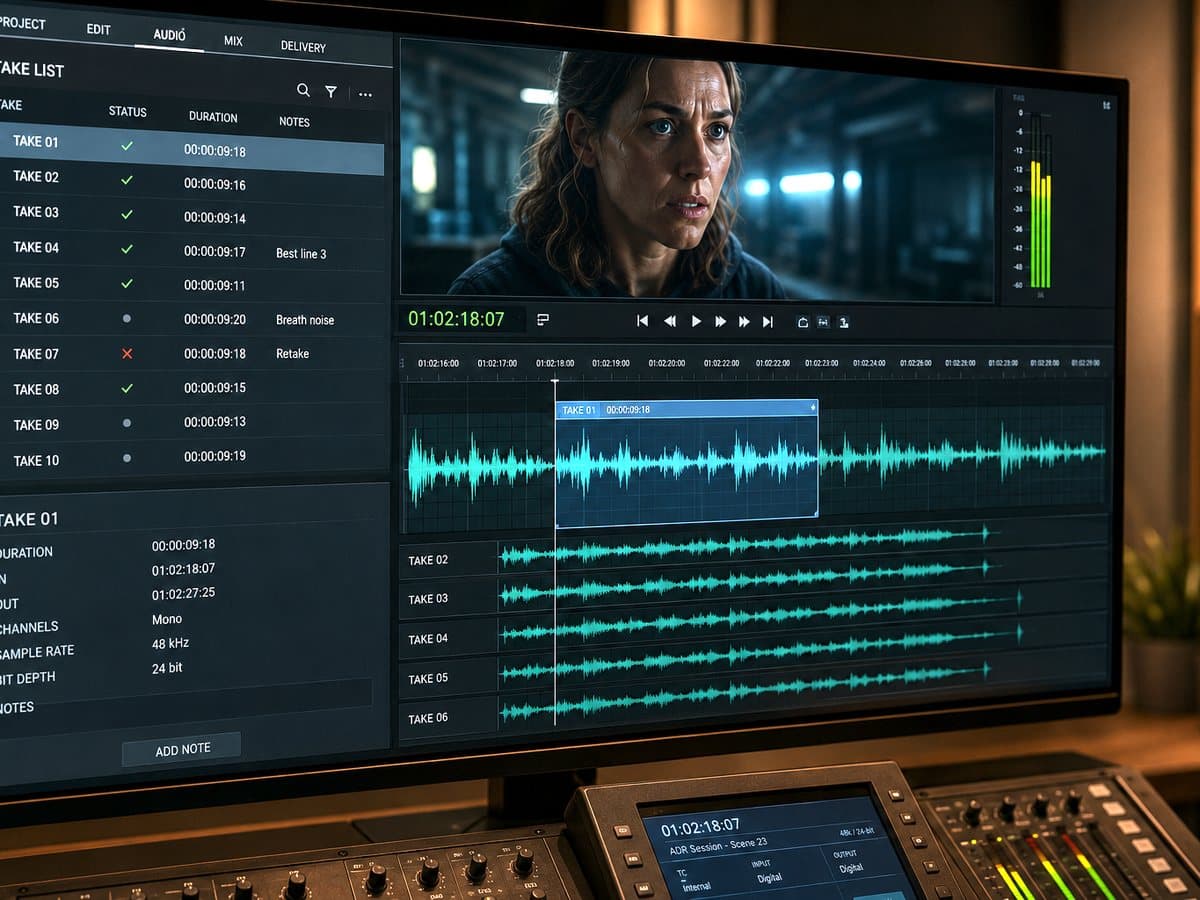
Voice continuity across versions
When a character is voice-matched in the original language, that decision has to carry into every dubbed version, or the character shifts between territories in ways audiences notice.
We hold casting references centrally and direct each language against the approved original, so a replaced or matched voice stays consistent everywhere the film plays.
Approvals sit with you at every stage, in the original language and in each market.


Trusted to deliver by the world top brands
What our happy customers say
We have used GoLocalise on a regular basis for projects in a number of languages. The service we receive is great. The team is always friendly and professional. The voiceovers we receive are of a very high quality and the turnaround is extremely quick. We are very happy to recommend GoLocalise to other businesses.
We’ve worked with the GoLocalise team on countless video projects and have always had the same consistent, great experience. Not only are they responsive and quick on turnaround, I can always trust the VO will be done right – they are always 100% clear with communication and ensure their talent is prepared to record by asking necessary questions upfront before recording. Highly recommended and will definitely work with them on future projects.
It was a pleasure to work with David and the team at GoLocalise. David gave me lots of help and advice, guiding me through my first subtitling project. He really knows his stuff! The experience was completely pain-free. I would not hesitate to recommend GoLocalise – outstanding work at a good price.

They’re reliable, adaptive and obsessed with quality. And while you can never be 100% guaranteed of perfection, you can be sure GoLocalise will go the extra mile to get it right every time. Whether that’s hiring extra resources, hopping on multiple calls or even changing their internal processes, they’ll do what it takes. We’ve worked with them now for over to 5 years and we are truly thankful to have such a strong localisation partner for our business.
Other movie voice over services
ADR is one part of finishing a film's audio. If your project needs more than dialogue replacement, these are the places to look next.
Movie voice over
Film narration, documentary and off-screen voice work, plus an overview of which film voice service a given project actually calls for.
Find out moreMovie dubbing
Full dialogue replacement into other languages, with lip-sync, phrase-sync and multi-territory release management handled in-house.
Find out moreRecording studios
Our London studios, the rooms where ADR sessions are recorded — with Source-Connect, engineering support and remote attendance.
Find out moreFAQs
ADR stands for automated dialogue replacement — the process of re-recording an actor's dialogue in a studio after filming, in sync with the picture. It is used when production sound is unusable, when a line needs to change after the edit, or when new dialogue is required. The recording has to match the original take in tone, perspective and energy so it sits invisibly inside the finished mix.
Not sure where to start?
We guide you from brief to final delivery.
Voice over, subtitling, and localisation — all in one place.
Simple, reliable, and built around you.
Professional voice over services for your audio and video productions
Voice over

- State-of-the-art studios
- Neumann microphones
- On-hand sound engineers
- 1,000+ voice actors
Translation

- 600+ languages covered
- Tailored to your needs
- Stringent quality control
- Dedicated project managers
Subtitling

- Experienced subtitlers
- Industry-standard software
- Burn-in and graphic editing
- Open and closed captions
Transcription

- Improve accessibility
- Reach a wider audience
- Boost SEO and video views
- Maximise video engagement